

Market Growth: South Africa's Virtual Reality Boom
A Surge in Immersive Technology Adoption The virtual reality (VR) landscape in South Africa is undergoing a remarkable transformation, marked by...
A Surge in Immersive Technology Adoption
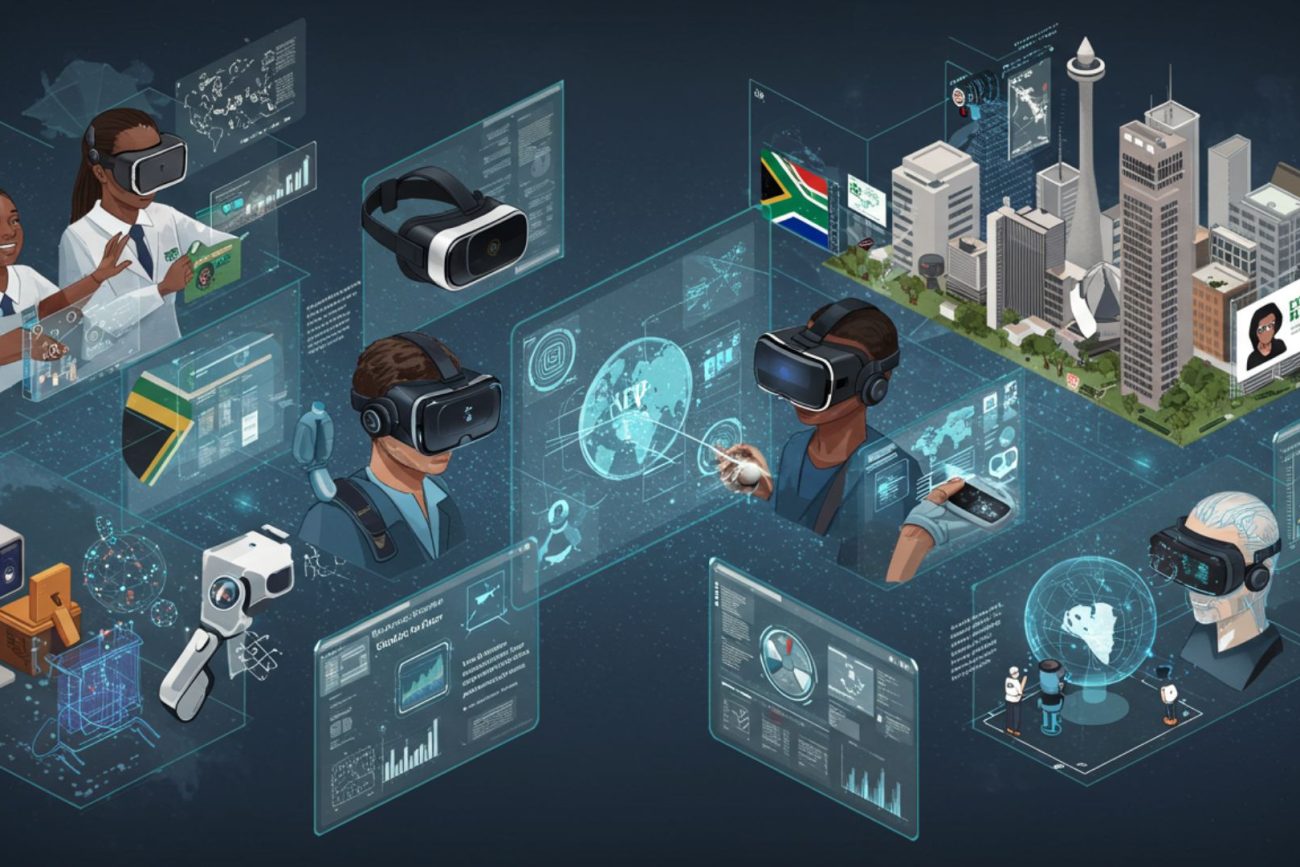
The virtual reality (VR) landscape in South Africa is undergoing a remarkable transformation, marked by substantial market growth and widespread adoption across various sectors. According to projections by Grand View Research, the immersive VR sector in South Africa is anticipated to achieve a revenue of approximately US$689 million by 2030. This impressive surge is fueled by the increasing integration of VR technology in industries such as entertainment, education, and healthcare, positioning South Africa as a burgeoning hub for immersive innovations.
Key Drivers of VR Market Expansion
Cross-Industry Adoption
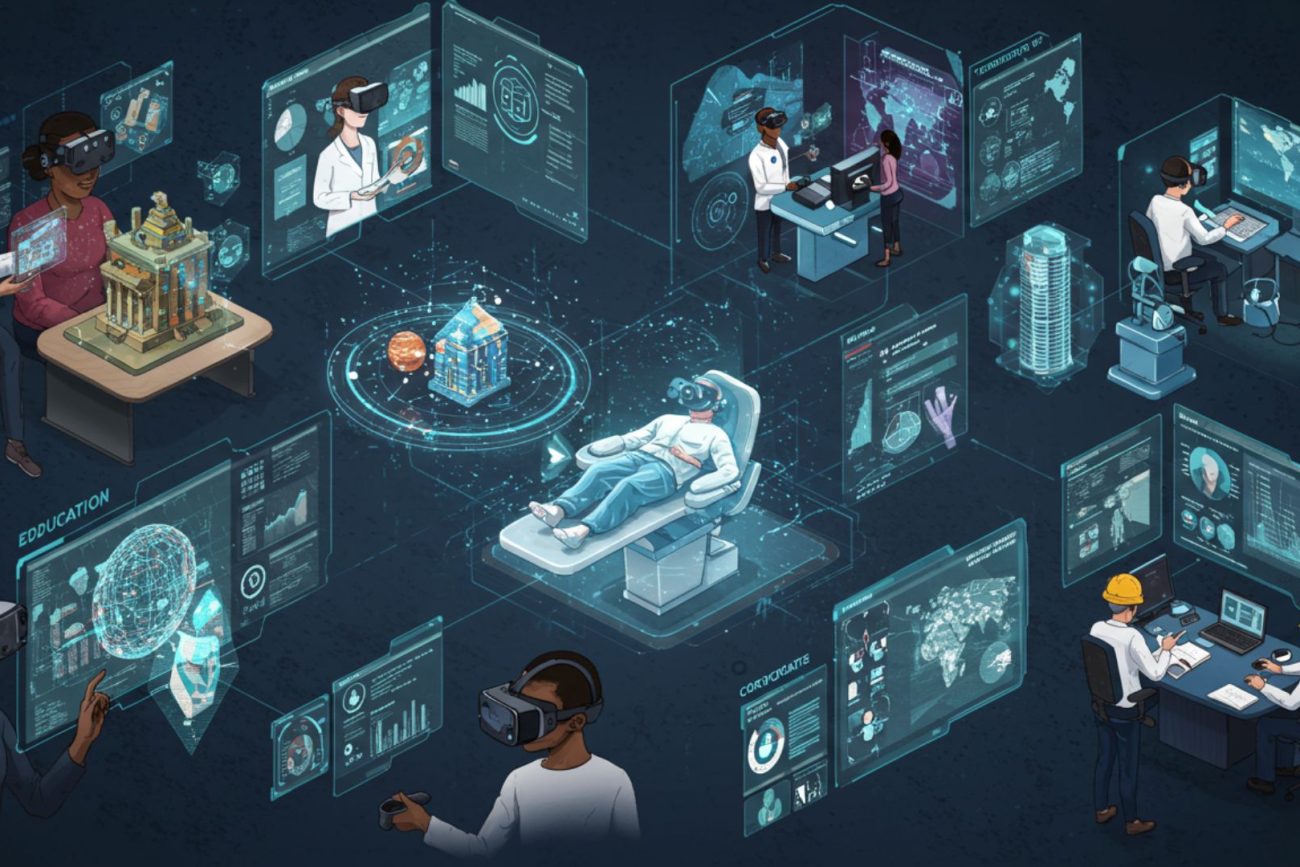
The proliferation of VR technology in South Africa is largely driven by its versatile applications across multiple industries. In the entertainment sector, VR is revolutionizing gaming, digital media, and live events by offering more immersive and interactive experiences. Educational institutions are embracing VR to create engaging learning environments, facilitating virtual field trips, interactive simulations, and hands-on training modules. Meanwhile, the healthcare industry is leveraging VR for medical training, patient therapy, and surgical simulations, enhancing both educational outcomes and patient care.
Technological Advancements
Advancements in VR hardware and software are pivotal to the market's growth. Enhanced VR headsets with higher resolution, better ergonomics, and more affordable pricing have made immersive technology more accessible to a broader audience. Additionally, the development of sophisticated VR applications and platforms tailored to specific industry needs has expanded the utility and appeal of VR solutions. Innovations such as haptic feedback, real-time rendering, and AI-driven content creation are further enhancing the realism and interactivity of VR experiences, driving greater adoption and investment.
Government and Private Sector Investments
Both government initiatives and private sector investments play a crucial role in propelling the VR market forward. South African government bodies are recognizing the potential of VR technology in fostering innovation and economic growth, leading to increased funding and support for VR research and development projects. Concurrently, private companies are investing heavily in VR startups and ventures, fostering a competitive and dynamic market environment that encourages continuous improvement and innovation.
Industry-Specific Growth Insights
Entertainment and Media
In the entertainment realm, VR is redefining how audiences engage with content. From immersive gaming experiences to virtual concerts and interactive storytelling, VR offers new dimensions of engagement that traditional media formats cannot match. The rise of esports and VR-based gaming platforms is attracting significant investments, driving the growth of a vibrant VR entertainment ecosystem in South Africa.
Education and Training
Educational institutions are increasingly integrating VR into their curricula to enhance learning outcomes and student engagement. Virtual classrooms, interactive labs, and simulation-based training programs provide students with experiential learning opportunities that transcend the limitations of traditional teaching methods. This shift towards immersive education not only improves comprehension and retention but also prepares students for a future where digital and virtual competencies are paramount.
Healthcare and Medical Training
The healthcare sector is leveraging VR for a multitude of applications, including surgical training, patient rehabilitation, and mental health therapies. VR-based simulations allow medical professionals to practice procedures in a risk-free environment, enhancing their skills and preparedness. Additionally, VR therapeutic applications offer innovative treatments for conditions such as anxiety, PTSD, and chronic pain, demonstrating the profound impact of immersive technology on patient care and treatment efficacy.
Challenges and Opportunities Ahead
Infrastructure and Accessibility
Despite the promising growth, the VR market in South Africa faces challenges related to infrastructure and accessibility. High initial costs of VR technology and limited access to high-speed internet in certain regions can impede widespread adoption. Addressing these barriers through targeted investments in infrastructure and initiatives to make VR technology more affordable is essential for sustaining market growth.
Skilled Workforce Shortage
A shortage of skilled professionals trained in VR development and application poses another significant challenge. Bridging this gap requires comprehensive training programs and educational initiatives that equip individuals with the necessary technical skills and expertise to thrive in the VR industry. Collaboration between educational institutions, industry leaders, and government bodies is crucial to developing a robust and skilled VR workforce.
Data Privacy and Security
As VR technology becomes more integrated into various aspects of life, concerns around data privacy and security intensify. Ensuring that VR applications comply with stringent data protection regulations and implementing robust security measures is vital to safeguarding user information and maintaining trust in immersive technologies.

Future Outlook and Projections
Looking ahead, the VR market in South Africa is poised for continued growth and innovation. The integration of emerging technologies such as artificial intelligence (AI) and machine learning (ML) with VR is expected to unlock new possibilities for personalized and adaptive virtual experiences. Additionally, the expansion of VR applications into new industries and use cases, including virtual retail, remote healthcare consultations, and interactive virtual training programs, will further drive market expansion.
The future of VR in South Africa also envisions greater global collaboration and the establishment of shared virtual campuses, facilitating international partnerships and knowledge exchange. As VR technology evolves, it will play an increasingly pivotal role in shaping the educational, professional, and recreational landscapes, driving economic growth and fostering a culture of innovation and creativity.
Frequently Asked Questions
What factors are driving the growth of the VR market in South Africa?
The growth of the VR market in South Africa is driven by increased adoption across industries such as entertainment, education, and healthcare, technological advancements in VR hardware and software, and significant investments from both the government and private sectors. These factors collectively enhance the utility, accessibility, and appeal of VR solutions, propelling market expansion.
How is VR being utilized in education in South Africa?
In education, VR is used to create immersive learning environments, facilitate virtual field trips, and enable interactive simulations and hands-on training modules. These applications enhance student engagement, improve comprehension and retention, and prepare students for future careers by developing digital and virtual competencies.
What are the main challenges facing the VR market in South Africa?
Key challenges include high initial costs of VR technology, limited access to high-speed internet in certain regions, a shortage of skilled VR professionals, and concerns around data privacy and security. Addressing these challenges is essential for sustaining and accelerating market growth.
What is the projected revenue of the VR market in South Africa by 2030?
The VR market in South Africa is projected to reach a revenue of approximately US$689 million by 2030, driven by widespread adoption across various industries and continuous technological advancements.
Which industries in South Africa are leading the adoption of VR technology?
The entertainment, education, and healthcare industries are leading the adoption of VR technology in South Africa. These sectors leverage VR for gaming and digital media, immersive learning experiences, and advanced medical training and therapies, respectively.
How can businesses overcome the high initial costs of VR technology?
Businesses can overcome high initial costs by exploring financing options, partnering with VR technology providers for scalable solutions, and gradually integrating VR into their operations. Additionally, demonstrating the long-term benefits and ROI of VR investments can justify the initial expenditure and attract further investment.
What role do government initiatives play in the growth of VR in South Africa?
Government initiatives play a crucial role by providing funding, support for research and development, and creating favorable policies that encourage VR innovation and adoption. These initiatives help build the necessary infrastructure, foster a skilled workforce, and promote industry collaboration, driving the overall growth of the VR market.
How is VR enhancing patient care in the healthcare industry?
VR enhances patient care by providing innovative therapeutic interventions, enabling medical professionals to practice and refine surgical techniques through simulations, and offering immersive environments for patient rehabilitation and mental health treatments. These applications improve treatment outcomes, increase efficiency, and enhance the overall quality of patient care.
What are the future trends in the VR market in South Africa?
Future trends include the integration of AI and ML with VR for personalized experiences, expansion of VR applications into new industries such as virtual retail and remote healthcare, advancements in VR hardware and software, and the development of shared virtual campuses for global collaboration. These trends will further drive market growth and innovation.
How can educational institutions prepare for the integration of VR technology?
Educational institutions can prepare by investing in VR infrastructure, training faculty and staff in VR technologies and pedagogical strategies, developing comprehensive VR-based curricula, and fostering partnerships with VR technology providers and industry experts. Additionally, institutions should prioritize accessibility and inclusivity to ensure that all students can benefit from immersive VR learning experiences.
Author: Gerald Ferreira
Pioneering the future of immersive experiences in South Africa through expert storytelling, virtual reality innovation, and high-end 360° production.