
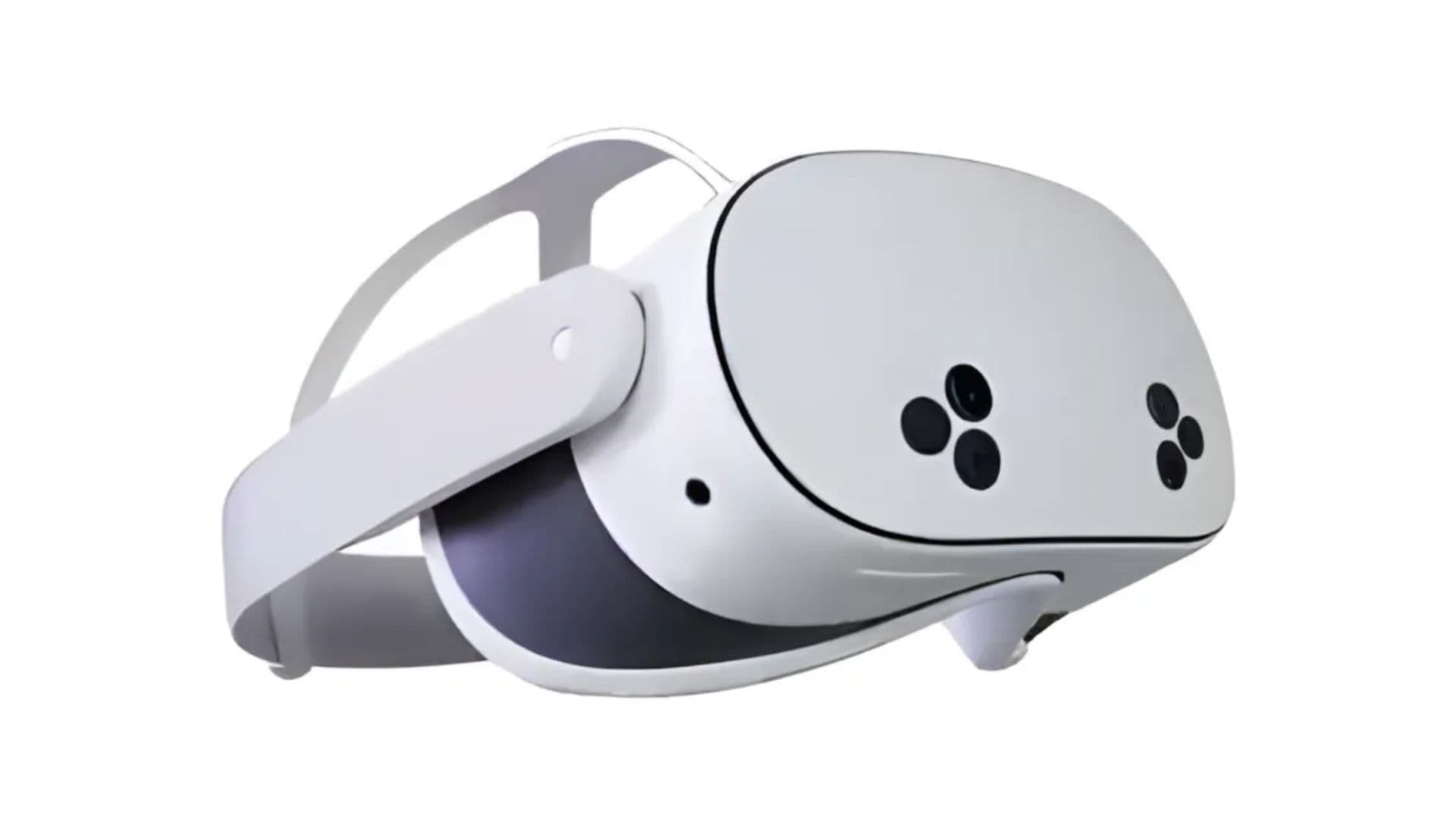
Meta Quest 3: Redefining Mixed Reality in 2024
Unveiling the Future of Immersive Technology Imagine slipping on a device that seamlessly blends the digital and physical worlds, transforming...
Unveiling the Future of Immersive Technology
Imagine slipping on a device that seamlessly blends the digital and physical worlds, transforming your living room into a bustling metropolis or a serene natural landscape with just a gesture. Meta's latest innovation, the Meta Quest 3, is poised to make this vision a reality. As the tech giant continues to push the boundaries of virtual and mixed reality, the Quest 3 stands out as a beacon of innovation, promising to redefine how we interact with technology and each other. This comprehensive exploration delves into the Quest 3's groundbreaking features, design philosophy, and the transformative potential it holds for various industries and everyday users.
Design and Ergonomics: Crafting Comfort and Style
Sleek Aesthetics Meet Functional Design
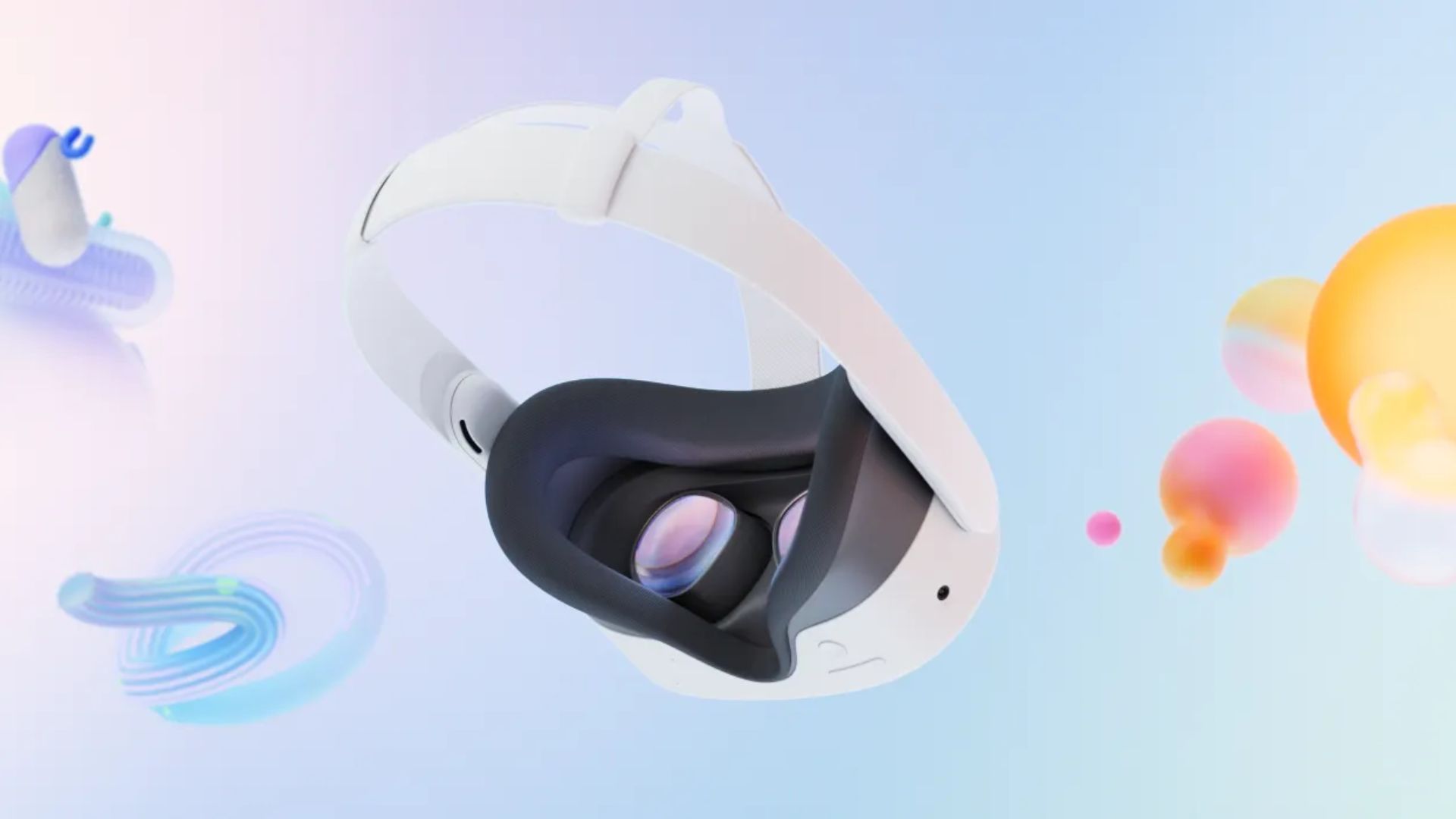
The Meta Quest 3 is a testament to Meta's commitment to blending aesthetics with functionality. Drawing inspiration from modern minimalism, the headset features a streamlined silhouette with smooth contours and a lightweight frame. The use of high-quality materials not only enhances durability but also ensures a comfortable fit for extended use. Imagine wearing a device as stylish as a pair of high-end headphones, yet as functional as a state-of-the-art gadget—this is the essence of the Quest 3's design ethos.
Meta has meticulously engineered the Quest 3 to balance weight distribution, minimizing pressure points on the user's face and head. The adjustable straps and cushioned padding adapt to various head shapes and sizes, making prolonged sessions enjoyable. Additionally, the headset's modular design allows for easy customization and upgrades, ensuring that it remains relevant in the rapidly evolving tech landscape. This fusion of form and function sets a new standard for mixed reality devices, emphasizing user comfort without compromising on style.
Enhanced Portability and Durability
Portability is a key consideration in the Quest 3's design. Despite its advanced features, the headset remains remarkably lightweight and compact, making it easy to carry and set up anywhere. The foldable design facilitates storage in tight spaces, catering to the modern user's need for flexibility and mobility. Whether you're traveling for business or leisure, the Quest 3 fits seamlessly into your lifestyle, ready to transport you to new virtual realms at a moment's notice.
Durability is equally prioritized, with the Quest 3 constructed from robust materials that withstand daily wear and tear. The reinforced exterior protects the delicate internal components, ensuring longevity and reliability. Meta has also incorporated sweat-resistant and easy-to-clean surfaces, addressing the needs of active users who engage in physical activities within virtual environments. This attention to durability and portability ensures that the Quest 3 is not just a device but a long-term companion in your journey through mixed reality.
Intuitive Controls and User Interface
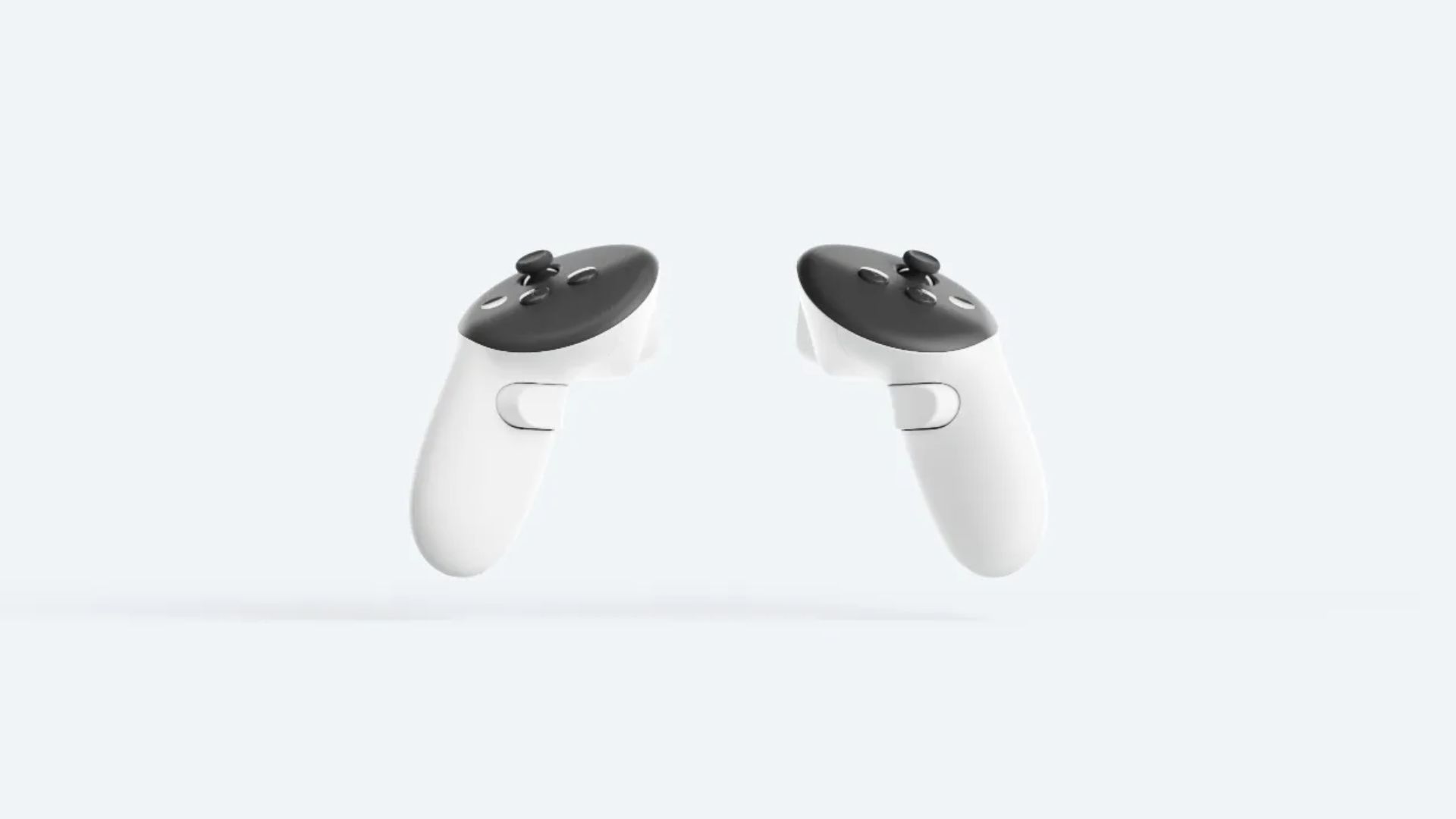
Navigating the virtual world should be as natural as interacting with the real one, and the Quest 3 delivers on this promise with its intuitive controls and user interface. The headset is equipped with advanced hand-tracking technology, allowing users to manipulate virtual objects with simple gestures. This eliminates the need for cumbersome controllers, providing a more immersive and seamless experience. Imagine reaching out to grab a virtual cup of coffee with the same ease as you would in the physical world—the Quest 3 makes this possible.
The user interface is designed with accessibility and ease of use in mind. Clear, responsive menus and customizable settings ensure that users can tailor their experience to their preferences effortlessly. Voice commands further enhance usability, allowing for hands-free navigation and control. Meta has leveraged user-centric design principles to create an interface that is both powerful and user-friendly, ensuring that both novices and seasoned VR enthusiasts can navigate the Quest 3's features with confidence.
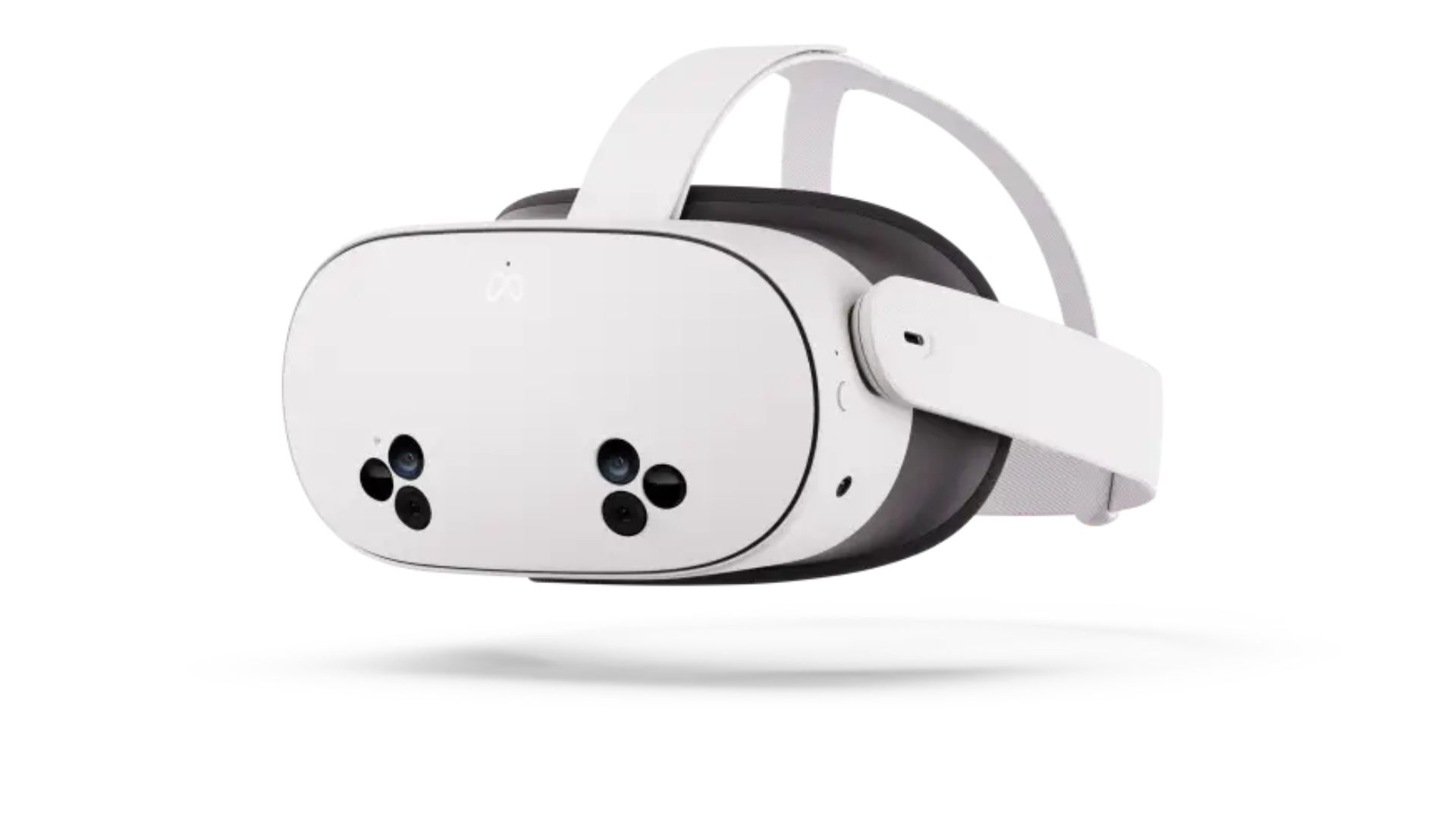
Display and Optics: Visual Fidelity Beyond Imagination
Ultra-High Resolution Displays
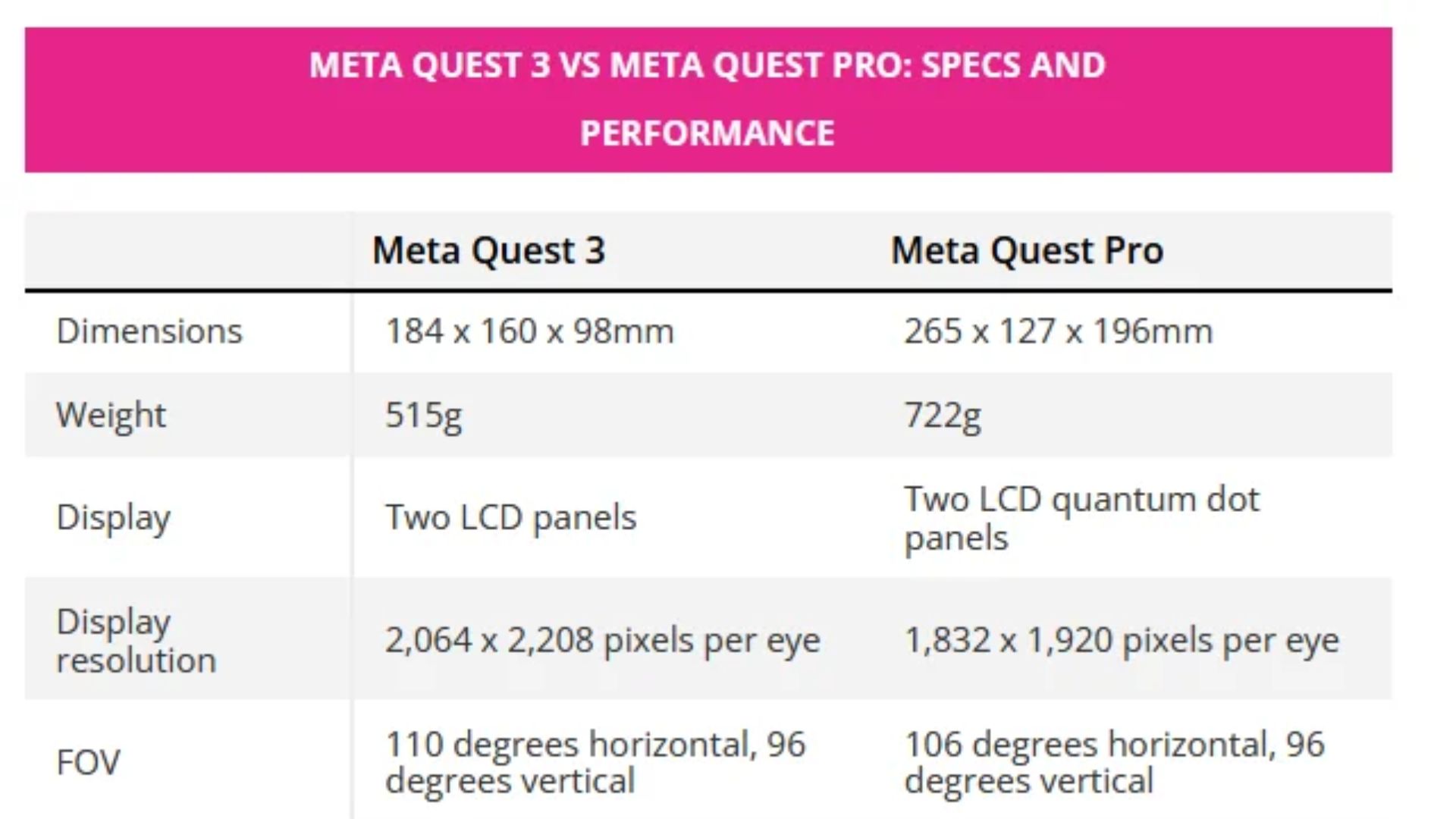
At the heart of the Meta Quest 3 lies its stunning display technology. The headset boasts dual 4K OLED displays, delivering a combined resolution of 8K, which translates to over 20 million pixels per eye. This unprecedented level of detail eliminates the screen-door effect commonly seen in earlier VR devices, providing crystal-clear visuals that enhance immersion. Imagine viewing the intricate details of a virtual coral reef or the expansive vistas of a digital mountain range with unparalleled clarity—the Quest 3 turns this into reality.
The high-resolution displays are complemented by a wide field of view (FOV) of 120 degrees, offering a more expansive and natural viewing experience. This broader FOV reduces the sensation of looking through a window, making the virtual environment feel more enveloping and lifelike. The Quest 3's displays also support high dynamic range (HDR), ensuring vibrant colors and deep contrasts that bring virtual worlds to life with stunning realism.
Advanced Optics for Enhanced Clarity
Meta has integrated cutting-edge optical technology into the Quest 3 to further elevate visual fidelity. The headset features pancake lenses, a significant advancement over traditional Fresnel lenses. These lenses reduce bulk and weight while maintaining superior image quality. Pancake lenses also minimize glare and distortions, ensuring that the visuals remain sharp and consistent across the entire field of view.
Additionally, the Quest 3 incorporates a customizable interpupillary distance (IPD), allowing users to adjust the lens spacing to match their eye distance. This customization reduces eye strain and enhances image clarity, providing a more comfortable viewing experience during prolonged use. The combination of high-resolution displays and advanced optics positions the Quest 3 as a leader in visual excellence, setting a new benchmark for mixed reality headsets.
Spatial Audio Integration
Visual immersion is incomplete without complementary audio, and the Quest 3 excels in this area as well. The headset is equipped with spatial audio technology, delivering three-dimensional sound that enhances the sense of presence within virtual environments. Whether it's the rustling of leaves in a virtual forest or the echoing footsteps in a digital corridor, the Quest 3's audio system ensures that every sound is accurately positioned and dynamically responsive to user movements.
Spatial audio not only enriches the sensory experience but also plays a crucial role in navigation and interaction within mixed reality. Directional sound cues can guide users through complex environments, providing intuitive feedback and enhancing situational awareness. Meta's integration of spatial audio into the Quest 3 underscores its dedication to creating fully immersive and engaging virtual experiences.
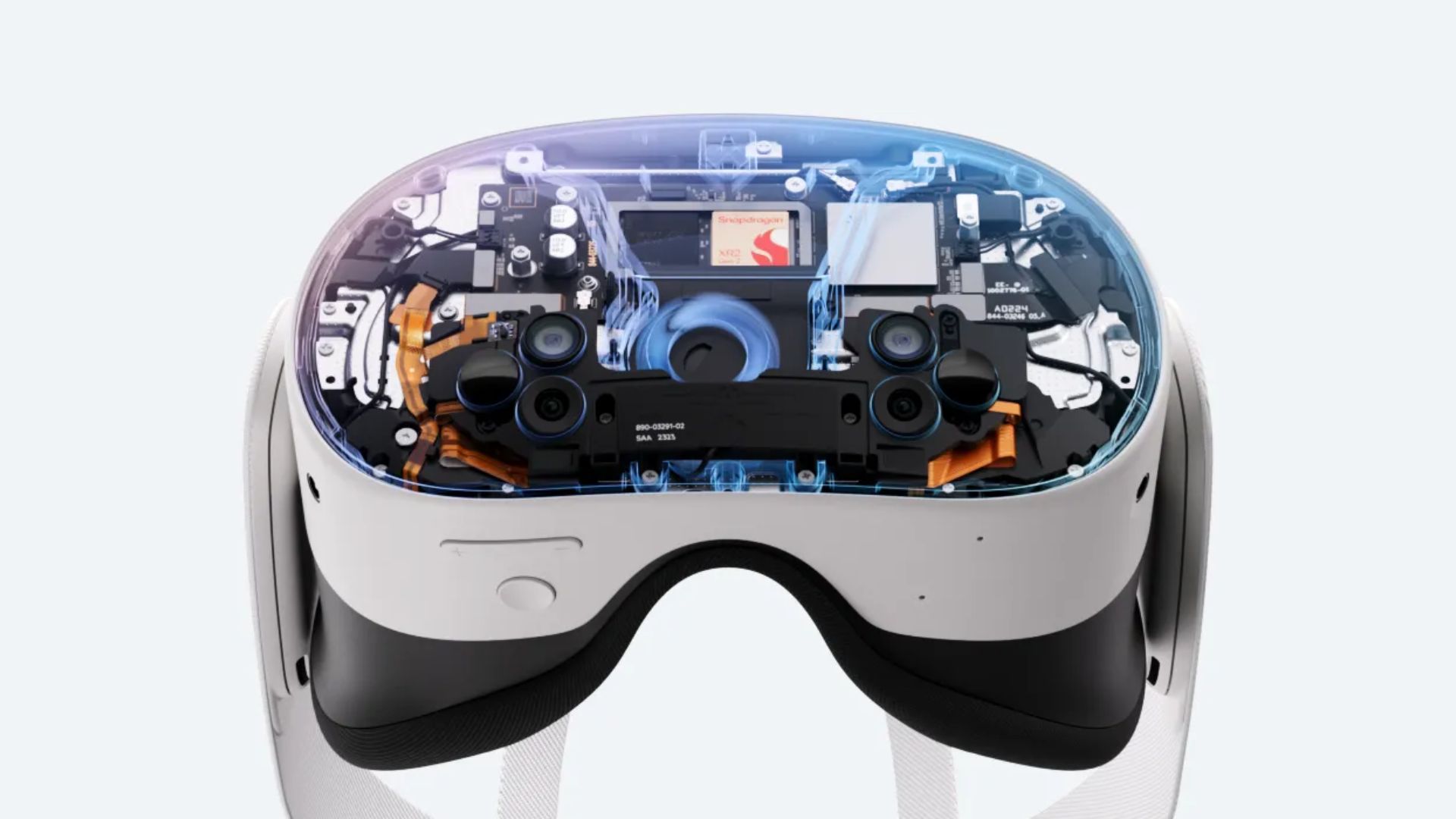
Processing Power and Performance: Unleashing Computational Prowess
State-of-the-Art Hardware Specifications
The Meta Quest 3 is powered by Meta's proprietary XR2 Gen 3 chipset, a marvel of modern engineering designed specifically for mixed reality applications. This chipset combines a high-performance CPU and GPU with advanced machine learning capabilities, ensuring smooth and responsive performance across a wide range of applications. The XR2 Gen 3 delivers impressive frame rates, minimizing latency and preventing motion sickness—a critical factor for maintaining immersion in VR experiences.
With 12 GB of RAM and ample storage options, the Quest 3 handles complex simulations and high-fidelity graphics with ease. This robust hardware configuration allows for the seamless execution of demanding applications, from intricate 3D modeling tools to expansive virtual worlds. The Quest 3's processing power ensures that users can engage with content without experiencing lag or interruptions, providing a fluid and uninterrupted mixed reality experience.
Enhanced Battery Life and Thermal Management
Extended usage is a key consideration for any wearable device, and the Quest 3 addresses this with its enhanced battery life and advanced thermal management system. The headset features a dual-battery system that provides up to 4 hours of continuous use, ensuring that users can enjoy prolonged sessions without frequent recharging. This improvement over previous models makes the Quest 3 more suitable for extended gaming sessions, educational programs, and professional applications.
Thermal management is achieved through a combination of efficient heat sinks and strategically placed vents, which dissipate heat effectively and maintain a comfortable temperature during use. This ensures that the headset remains cool and comfortable, even during intensive activities. Meta's focus on battery efficiency and thermal performance underscores its commitment to delivering a reliable and comfortable mixed reality experience.
Seamless Connectivity and Integration
The Quest 3 offers a range of connectivity options to enhance its versatility and integration with other devices. Equipped with Wi-Fi 6E, the headset ensures fast and stable wireless connections, essential for streaming high-quality content and enabling multi-user interactions. Bluetooth 5.2 support allows for seamless pairing with peripherals such as controllers, headphones, and other smart devices, expanding the range of possible interactions and applications.
Additionally, the Quest 3 supports USB-C connectivity for fast data transfer and charging, ensuring compatibility with a wide array of devices and accessories. The integration of these connectivity features allows users to customize their setup and connect the headset to various ecosystems, enhancing its functionality and adaptability across different use cases.
4. Software and Ecosystem: Expanding the Horizons of Mixed Reality
Meta's Proprietary Operating System
At the core of the Quest 3's functionality is Meta's proprietary operating system, Meta OS, designed to optimize performance and provide a seamless user experience. Meta OS is built to support a wide range of applications, from gaming and entertainment to productivity and education. The intuitive interface allows users to navigate through menus, access applications, and customize settings with ease, ensuring that the Quest 3 remains accessible to both novice and experienced users.
Meta OS leverages advanced machine learning algorithms to enhance user interactions and personalize experiences. Adaptive UI elements and predictive features ensure that the system responds intelligently to user behavior, providing a more intuitive and efficient interface. This intelligent design makes Meta OS a robust foundation for the Quest 3, enabling it to support complex applications and deliver a cohesive mixed reality experience.
Expansive App Store and Developer Support
The Quest 3 benefits from Meta's extensive app ecosystem, with access to a vast library of applications and games tailored for mixed reality. The Meta App Store offers a diverse range of content, from immersive educational tools and creative applications to cutting-edge gaming experiences. This expansive library ensures that users can find applications that suit their interests and needs, enhancing the versatility and value of the headset.
Meta has also invested heavily in developer support, providing comprehensive tools and resources to encourage the creation of innovative applications for the Quest 3. The Meta Developer Kit includes advanced APIs, SDKs, and documentation that empower developers to build sophisticated mixed reality experiences. This robust support fosters a vibrant developer community, driving continuous innovation and expanding the possibilities of what the Quest 3 can achieve.
Cross-Platform Compatibility and Integration
The Quest 3 is designed to integrate seamlessly with other Meta devices and platforms, enhancing its functionality and user experience. Integration with Meta Horizon, Meta's social virtual reality platform, allows users to connect and interact with friends and communities in shared virtual spaces. This cross-platform compatibility fosters a cohesive ecosystem where users can transition smoothly between different devices and applications, enhancing the overall mixed reality experience.
Additionally, the Quest 3 supports interoperability with third-party platforms and services, allowing users to access content from various sources without friction. This flexibility ensures that the Quest 3 remains a versatile tool, capable of adapting to different use cases and evolving user needs. Meta's emphasis on cross-platform compatibility underscores its vision of a connected and integrated mixed reality ecosystem.
Applications and Use Cases: Transforming Industries and Daily Life
Gaming and Entertainment: A New Dimension of Play
The Quest 3 elevates gaming and entertainment to unprecedented heights, offering immersive experiences that transcend traditional boundaries. With its high-resolution displays, spatial audio, and intuitive controls, the headset provides a deeply engaging environment where players can interact with virtual worlds in ways never before possible. Imagine navigating a sprawling fantasy realm, where every detail is rendered with stunning clarity and every sound immerses you further into the action—the Quest 3 makes this possible.
Beyond gaming, the Quest 3 serves as a versatile entertainment hub, supporting virtual cinemas, interactive storytelling, and live event streaming. Users can watch movies in virtual theaters, attend concerts from the comfort of their homes, or participate in interactive narratives that respond to their actions. This versatility transforms the Quest 3 into a central device for a wide range of entertainment activities, catering to diverse tastes and preferences.
Education and Training: Immersive Learning Experiences
The Quest 3 is revolutionizing education and training by providing immersive learning experiences that enhance understanding and retention. In educational settings, the headset can transport students to historical landmarks, biological ecosystems, or outer space, offering interactive lessons that go beyond traditional textbooks. For example, biology students can explore the intricacies of cellular structures in 3D, while history students can walk through ancient civilizations, gaining a deeper appreciation of the subject matter.
In professional training, the Quest 3 offers realistic simulations that prepare individuals for high-stakes environments. Medical professionals can practice complex surgical procedures in a risk-free virtual setting, while pilots can undergo flight training with realistic cockpit simulations. These applications not only improve skill acquisition but also enhance safety and preparedness, making the Quest 3 an invaluable tool in various training programs.
Remote Collaboration and Productivity: Bridging Distances
In an increasingly interconnected world, the Quest 3 facilitates remote collaboration and productivity by creating virtual workspaces that bridge physical distances. Teams can meet in shared virtual environments, collaborate on projects in real-time, and interact with digital content as if they were in the same room. This capability transforms the way businesses operate, enabling seamless communication and collaboration regardless of geographical locations.
Additionally, the Quest 3 supports a range of productivity applications, from virtual desktops and 3D modeling tools to immersive design software. Professionals can work more efficiently and creatively, leveraging the headset's capabilities to enhance their workflow and output. This integration of productivity tools into mixed reality environments positions the Quest 3 as a powerful asset for modern workplaces, fostering innovation and efficiency.
Healthcare and Therapy: Enhancing Well-Being
The Quest 3 is making significant strides in the healthcare and therapy sectors by providing tools that enhance patient care and treatment outcomes. In mental health therapy, the headset can create calming virtual environments for stress relief, anxiety management, and exposure therapy. Patients can engage in guided meditation sessions or confront fears in controlled virtual settings, facilitating therapeutic progress in a safe and supportive environment.
In physical rehabilitation, the Quest 3 offers interactive exercises and games that motivate patients to perform necessary movements and routines. By turning rehabilitation into an engaging activity, the headset improves patient adherence and accelerates recovery. Additionally, healthcare professionals can use the Quest 3 for training and simulation, ensuring that they are well-prepared to handle real-world medical scenarios with confidence and precision.
Frequently Asked Questions
What is the Meta Quest 3, and how does it differ from previous models?
The Meta Quest 3 is Meta's latest mixed reality headset, offering enhanced display resolution, advanced hand-tracking, and a more ergonomic design compared to its predecessors. It integrates the XR2 Gen 3 chipset, providing superior performance and longer battery life, and introduces new features like spatial audio and pancake lenses for improved visual clarity.
How does the Quest 3's mixed reality capability work?
The Quest 3 combines virtual reality (VR) and augmented reality (AR) technologies to create mixed reality (MR) experiences. It uses advanced sensors and cameras to map the user's physical environment, allowing digital objects to interact seamlessly with the real world. This blend enables users to engage with both virtual and physical elements simultaneously, enhancing immersion and interactivity.
What are the main features of the Meta Quest 3?
Key features of the Quest 3 include dual 4K OLED displays, a wide 120-degree field of view, spatial audio technology, advanced hand-tracking, the XR2 Gen 3 chipset, customizable IPD, and a lightweight, ergonomic design. It also offers extensive connectivity options, an expansive app ecosystem, and seamless integration with other Meta platforms and devices.
Is the Quest 3 suitable for both gaming and professional applications?
Yes, the Quest 3 is designed to cater to a wide range of applications, including gaming, entertainment, education, training, remote collaboration, and healthcare. Its high-resolution displays, intuitive controls, and powerful processing capabilities make it versatile enough to handle both immersive gaming experiences and professional productivity tasks.
How can I develop applications for the Meta Quest 3?
Developers can create applications for the Quest 3 using Meta's developer tools and platforms, such as the Meta Developer Kit and the Oculus SDK. These resources provide comprehensive APIs, documentation, and support to help developers build, test, and deploy innovative mixed reality applications tailored to the Quest 3's capabilities.
Author: Gerald Ferreira
Pioneering the future of immersive experiences in South Africa through expert storytelling, virtual reality innovation, and high-end 360° production.