

VR + AI + Digital Twins
A Glimpse into the Future of Intelligent Urban Landscapes Imagine standing in the heart of a city that doesn’t yet exist. You gaze upward at...
A Glimpse into the Future of Intelligent Urban Landscapes
Imagine standing in the heart of a city that doesn’t yet exist. You gaze upward at towers of glass and steel, watching traffic flow seamlessly below, and hear the quiet hum of renewable power systems operating in harmony. Yet, none of this is physically there—it’s all a meticulously constructed digital twin, a mirror-world powered by VR and AI. This marriage of technologies is becoming the new blueprint for tomorrow’s cities. From simulating infrastructure resilience to preparing for crises and training future planners, these virtual ecosystems allow us to sculpt, test, and refine urban futures before they manifest in concrete and steel.
The Digital Twin as an Urban Mirror
Crafting Replicas that Breathe with Data
At its core, a digital twin is not merely a 3D model—it is a living reflection infused with real-time data streams. Sensors embedded in bridges, energy grids, and transport systems pour information into these replicas, allowing them to “breathe” with the same rhythms as the physical environment. This dynamic mirroring makes cities legible in ways raw statistics never could. Rather than spreadsheets of energy usage, we see entire blocks pulsing with the glow of demand, or transport arteries throbbing with the tempo of daily commutes.
Consider the analogy of a heartbeat monitor. A flat graph might show numerical pulse rates, but the waveform reveals irregularities, sudden spikes, and rhythms in a way numbers alone cannot. Similarly, digital twins offer urbanists an almost clinical view of their cities’ health. They expose inefficiencies, highlight stress points, and allow planners to anticipate how growth or crises ripple across the urban fabric. This living mirror is not passive—it is diagnostic, prescriptive, and predictive all at once.
Simulating Infrastructure Before the First Brick
Traditional infrastructure projects often face delays, overruns, or design flaws revealed too late in the process. With digital twins, entire projects can be trialed in silico before a single trench is dug. By layering predictive AI models on top of VR-based simulations, planners can stress-test everything from traffic flows to power grids under varying conditions. The results? More resilient bridges, more efficient transport hubs, and utilities designed to withstand not just today’s demands but tomorrow’s uncertainties.
A hypothetical subway expansion, for instance, could be virtually inserted beneath a dense city grid. The digital twin might reveal how vibrations affect surrounding structures, how rerouted traffic strains nearby roads, or how emergency evacuations could unfold. This pre-emptive rehearsal saves not only financial resources but also public trust—ensuring that when shovels hit the ground, fewer surprises await. Much like pilots train in flight simulators, infrastructure itself is now rehearsed in a safe virtual cockpit.
A New Lexicon for Urban Planners
Urban planning once relied heavily on static blueprints, committees, and public hearings that were often abstract and inaccessible to ordinary citizens. Digital twins rewrite this lexicon. Instead of poring over two-dimensional maps, residents can step inside VR-powered twins of proposed neighborhoods, experiencing them viscerally. This democratizes planning by making it experiential rather than conceptual. Citizens become participants, not passive observers, in shaping their environments.
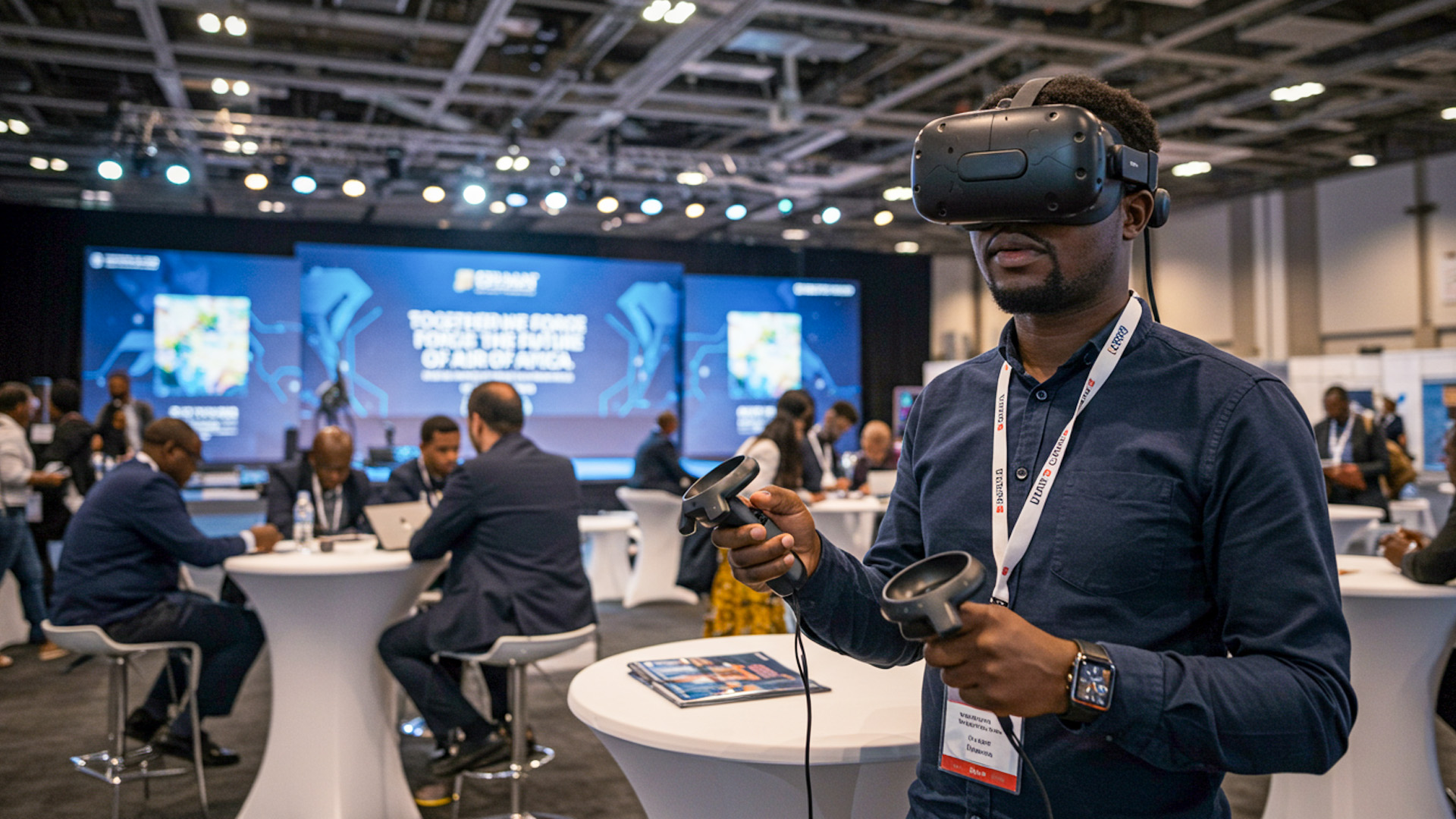
Imagine a community council debating a new park’s design. Rather than debating sketches pinned on a wall, they put on headsets and walk through the proposed landscape—feeling its pathways, assessing its sightlines, and even listening to projected soundscapes of children playing or birdsong. This immersive experience bridges the gap between technical jargon and lived experience, enabling more inclusive, empathetic decision-making. The lexicon shifts from abstract policy to lived narrative.

AI-Driven Intelligence for Predictive Urban Futures
Learning Cities that Anticipate Behavior
Artificial intelligence transforms digital twins from static replicas into predictive engines. By analyzing patterns across mobility, energy consumption, and demographics, AI systems enable cities to forecast behavior rather than merely record it. Think of it as a chess player not just watching moves unfold but anticipating the opponent’s next strategy. Cities, too, can begin to think a few steps ahead, mitigating congestion or reallocating energy before crises erupt.
Consider a heatwave scenario. An AI-enabled twin could predict spikes in electricity use from air conditioning, model how this strains power substations, and then recommend pre-emptive distribution strategies. In transport, it might forecast crowd surges before concerts or sporting events and suggest reroutes to prevent bottlenecks. The net effect is a city that doesn’t simply react but orchestrates its systems proactively, much like an experienced conductor guiding a symphony through shifting tempos.
Training Emergency Responses in Safe Worlds
Emergencies unfold in unpredictable ways, yet they can be rehearsed endlessly in virtual space. AI-driven VR simulations allow first responders to practice complex scenarios in replicas of actual neighborhoods. Fires, floods, earthquakes, or terrorist events can be staged with hyper-realistic fidelity—without risking lives or disrupting real communities. This is not just training; it is inoculation against chaos, where each repetition builds reflexive resilience.
One city in Asia, for example, has integrated its fire department’s drills directly into its digital twin. Firefighters navigate VR versions of skyscrapers mapped down to stairwell dimensions and ventilation shafts. AI introduces random variables—blocked exits, panicked civilians, or structural collapse probabilities—forcing responders to adapt in real time. The outcome is not a rigid script but a capacity for improvisation, the same way seasoned musicians riff seamlessly when a melody takes an unexpected turn.
Ethical Algorithms and Bias in Urban AI
Of course, predictive AI in urban contexts is only as fair as the data that fuels it. If historical planning decisions have disproportionately disadvantaged certain neighborhoods, those biases can seep into the simulations, perpetuating inequities. An AI twin that allocates resources based on biased data might reinforce systemic imbalances instead of correcting them. Thus, ethical stewardship is not optional—it is foundational.
Safeguards must include transparent data pipelines, community oversight, and algorithmic audits. By treating AI not as an infallible oracle but as a fallible collaborator, cities can counteract bias with intentional checks and balances. Much like a jury weighs evidence rather than deferring blindly to a single witness, planners must scrutinize AI recommendations critically. Only then can digital twins fulfill their promise as instruments of equity rather than tools of exclusion.

Immersive Civic Engagement in the Metacity
From Town Halls to Virtual Assemblies
Civic engagement has long been hampered by limited accessibility—physical attendance, working hours, or language barriers. Immersive VR assemblies break these barriers by letting citizens participate virtually in policy debates. In a sense, the “metacity” emerges—a hybrid realm where public discourse is as likely to occur in digital plazas as in marble-clad chambers. This not only broadens participation but also diversifies perspectives, strengthening the democratic fabric.
A citizen unable to leave work could still log into a VR session of a zoning board meeting, walking the streets of proposed developments and voicing concerns in real time. Translation layers built into the digital environment could facilitate cross-linguistic discussions, ensuring marginalized voices are not sidelined by linguistic divides. These assemblies echo the ancient agora in spirit, but are mediated through headsets and avatars—ancient participation reborn through digital incarnation.
Gamifying Urban Participation
Gamification, when responsibly deployed, transforms civic engagement from a chore into a shared adventure. Citizens exploring proposed policies in VR might earn tokens for completing surveys, or unlock badges for participating in multiple sessions. This playful incentive structure reframes governance not as an obligation but as a collaborative game where every player contributes to the city’s unfolding narrative.
Consider how a city might present alternative transit plans as a VR simulation. Citizens could “test drive” electric bus routes, experiencing commute times and environmental impacts firsthand. By rewarding feedback through gamified systems, the city taps into human curiosity and intrinsic motivation. Governance evolves into something akin to a multiplayer role-playing game, where collective decision-making is both consequential and engaging.
Inclusive Design through Immersive Empathy
One of VR’s most profound powers lies in its capacity to foster empathy. By embodying the perspective of diverse urban dwellers, planners can design more inclusive spaces. A simulation might allow a policymaker to navigate a cityscape in a wheelchair, revealing hidden obstacles, or experience the urban soundscape through the heightened sensitivity of someone with sensory processing challenges. These perspectives inform designs that are not just functional, but humane.
In practice, this can mean curb cuts positioned more thoughtfully, lighting adjusted for safety, or quiet zones integrated into bustling districts. The immersive empathy cultivated through VR becomes a design compass, ensuring the city of tomorrow does not merely accommodate diversity but actively celebrates it. In this sense, digital twins become not just technical constructs but ethical instruments, guiding us toward cities that feel equitable because they were designed through lived perspective.
Toward Resilient and Adaptive Urban Futures
Cities as Living Laboratories
In the past, urban experiments were costly, disruptive, and politically fraught. Now, cities themselves become living laboratories inside digital twins. Proposals can be tested, tweaked, and discarded with minimal consequence, ensuring only the most effective and equitable solutions graduate into reality. This reduces the risks of failed megaprojects while accelerating cycles of innovation. Cities no longer crawl toward change—they iterate rapidly, like agile startups.
The metaphor of a wind tunnel for architecture holds true here. Just as aerodynamics are tested before planes take flight, city policies and designs can be wind-tunneled virtually before being unleashed. Whether it’s experimenting with congestion pricing, renewable microgrids, or vertical farming zones, the stakes are lowered and the learning accelerated. Failure becomes inexpensive and instructive rather than catastrophic and costly.
The Interplay of Nature and Machine
Urban futures are not only technological; they are ecological. Digital twins enable us to choreograph the interplay between natural ecosystems and machine systems with exquisite precision. Flood defenses can be designed to bend with tidal rhythms, green corridors can be simulated to optimize biodiversity, and renewable infrastructure can be harmonized with seasonal variations. The result is not just sustainability as a slogan, but resilience as a lived reality.
Picture a coastal smart city where rising sea levels threaten neighborhoods. Instead of retroactive fixes, digital twin simulations might recommend amphibious architecture, mangrove restoration, and adaptive seawalls in tandem. These designs are tested against worst-case climate projections, ensuring the physical builds embody foresight rather than hindsight. Nature and machine are not adversaries—they become collaborators in the choreography of survival.
From Blueprints to Living Narratives
Perhaps the most profound transformation lies in how we perceive cities themselves. They cease to be static blueprints of stone and asphalt and become living narratives, continually authored by citizens, planners, and algorithms. Every dataset is a plot twist, every simulation a rehearsal, and every physical build an act in a larger story of adaptation. Cities evolve not in rigid master plans but in dynamic arcs of resilience.
This narrative lens makes urban planning less about command-and-control and more about collaborative storytelling. Each citizen interaction, each algorithmic suggestion, and each ecological input writes itself into the script of the city. Digital twins become stages, VR headsets become portals, and AI becomes the dramaturg guiding improvisation. The city is not finished; it is always becoming, a perpetual work-in-progress authored by collective intelligence.

Toward Resilient And Adaptive Urban Futures
Author: Elisha Roodt
Pioneering the future of immersive experiences in South Africa through expert storytelling, virtual reality innovation, and high-end 360° production.