
Augmented Reality in Everyday Life: From Gaming to Shopping
Augmented Reality in Everyday Life: From Gaming to Shopping Augmented Reality (AR) has transcended the realm of science fiction and entered the...
Augmented Reality in Everyday Life: From Gaming to Shopping
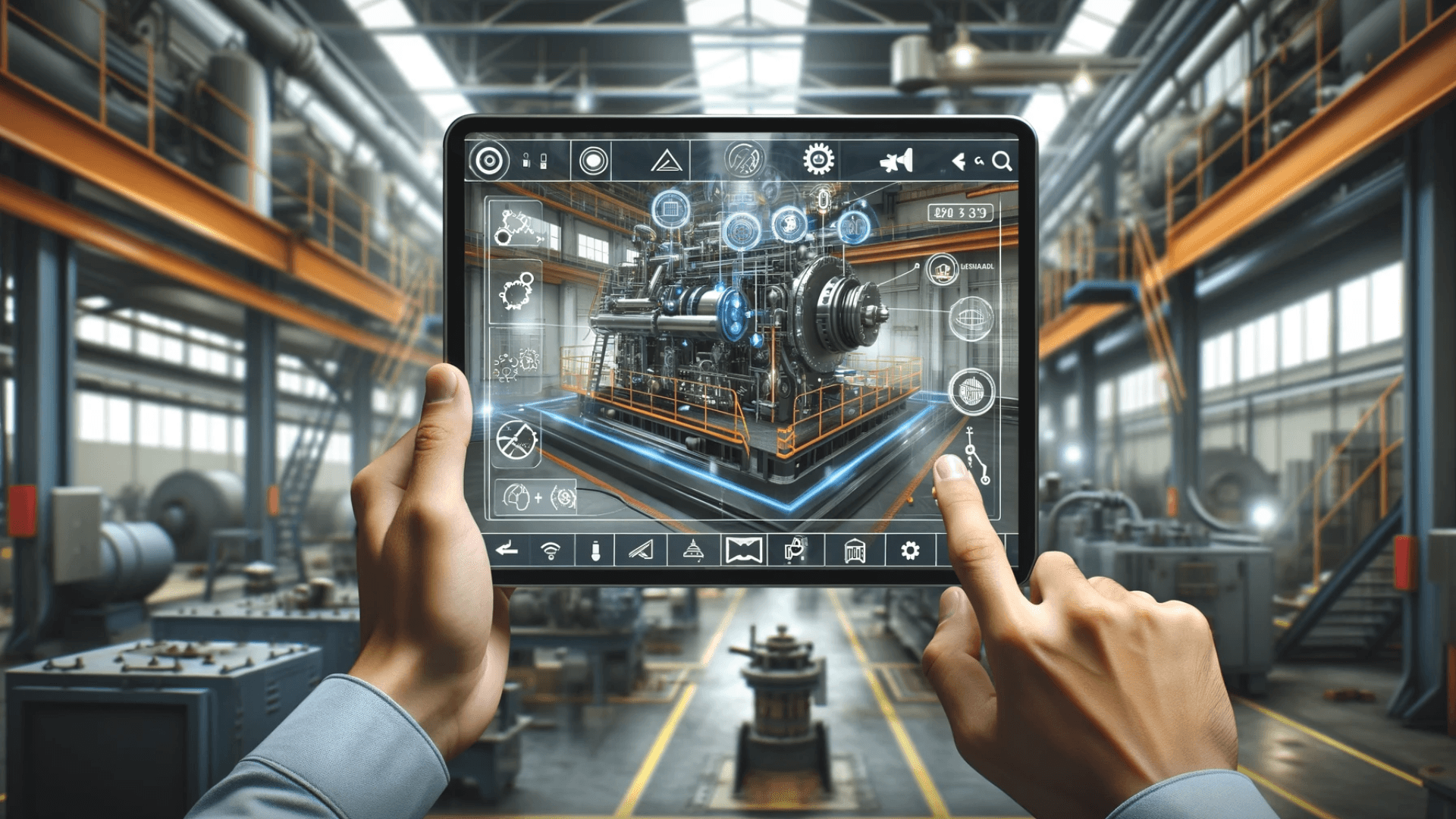
Augmented Reality (AR) has transcended the realm of science fiction and entered the fabric of our daily lives. Its seamless integration into various sectors has revolutionized how we interact with the world around us. From the adrenaline-fueled realm of gaming to the practicalities of shopping, AR's influence is vast and growing.
Current Uses of AR in Various Industries
AR in Gaming
The gaming industry has long been a vanguard of technological advancements, and augmented reality is no exception. By blending physical and digital realms, AR has metamorphosed gaming into immersive odysseys. Titles such as Pokémon GO and Ingress have enthralled millions, prompting players to traverse their tangible environments while interacting with digital entities and landscapes. This confluence of the real and the fantastical engenders a vibrant, interactive experience that traditional gaming struggles to replicate. The allure lies in AR's ability to turn everyday settings into expansive playgrounds, transforming mundane routines into captivating quests and fostering a deeper level of player engagement. The future of gaming, undeniably, is intertwined with the boundless possibilities of augmented reality.
AR in Retail and Shopping
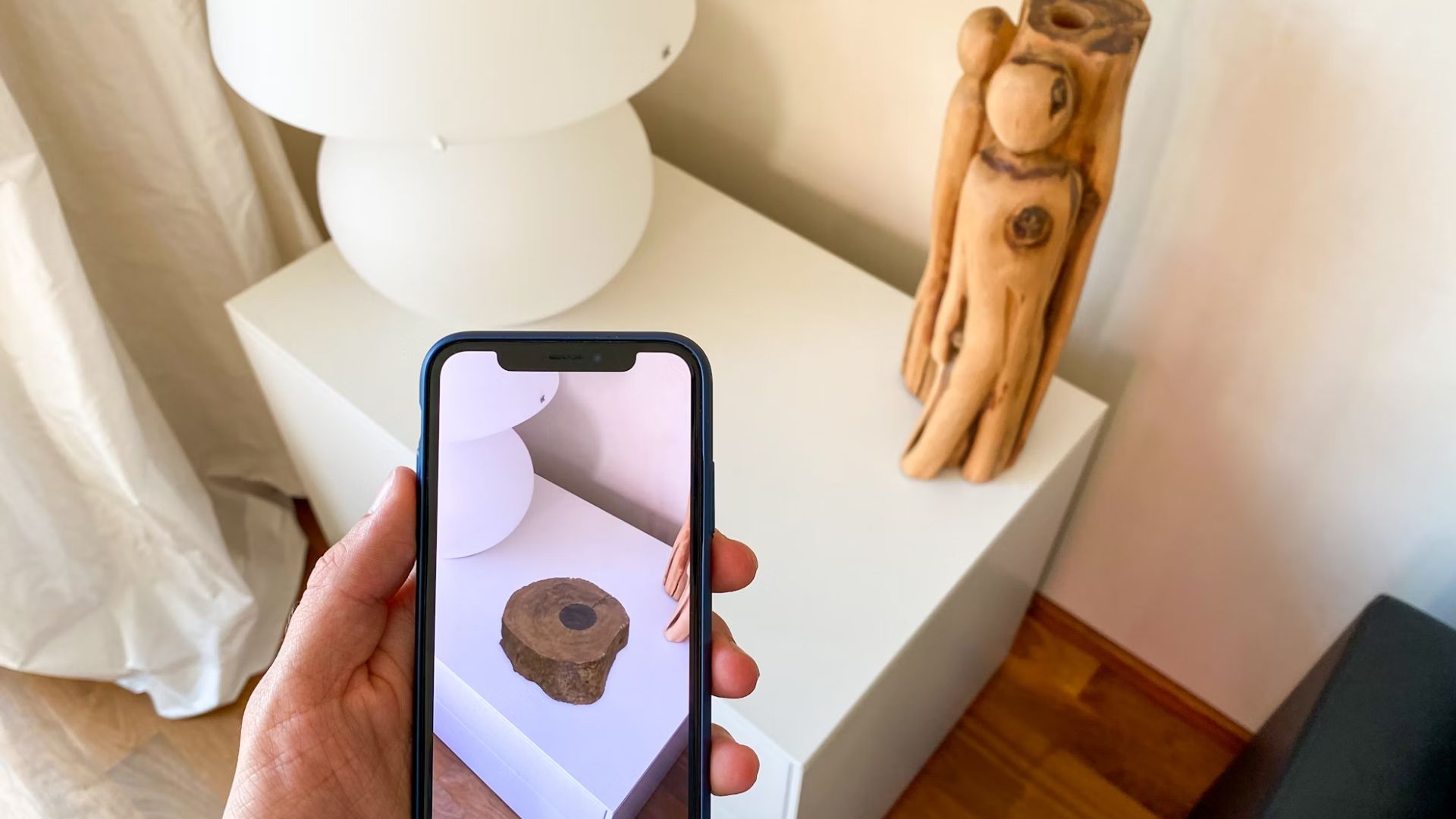
Shopping has evolved dramatically with the advent of AR. No longer confined to physical stores or static online images, consumers can now experience products in a highly interactive and personalized manner. Virtual try-ons for clothing, shoes, and accessories allow shoppers to see how items will look on them without ever stepping into a store. Companies like IKEA have harnessed AR to enable customers to visualize furniture in their homes, ensuring the perfect fit and style before making a purchase. This innovative approach not only enhances the shopping experience but also reduces return rates, benefiting both consumers and retailers.
AR in Education and Training
AR is reshaping the educational landscape by making learning more engaging and effective. Interactive AR applications bring textbooks to life, offering students a hands-on approach to complex subjects like anatomy, astronomy, and history. In professional training, AR simulations provide realistic environments for medical procedures, engineering tasks, and military drills. This technology allows learners to practice and refine their skills in a safe and controlled setting, bridging the gap between theoretical knowledge and real-world application.
AR in Healthcare
The healthcare sector has embraced AR for its potential to improve patient care and streamline medical procedures. Augmented diagnostics and surgical tools offer enhanced precision, reducing risks and improving outcomes. For instance, AR vein visualization technology helps healthcare providers locate veins more accurately, making procedures like blood draws and IV insertions more efficient and less painful. Additionally, AR can educate patients about their conditions and treatment plans, fostering better understanding and compliance.
AR in Real Estate and Interior Design
Augmented reality has significantly transformed real estate and interior design, providing clients with a more immersive and interactive experience. Prospective homebuyers can now take virtual tours of properties from the comfort of their current residence, gaining a realistic sense of space and layout without having to visit in person. Interior designers are leveraging AR to showcase various decor options, enabling clients to visualize changes in real-time. This technology accelerates the decision-making process and ensures a higher level of satisfaction with the final outcome. The ability to see potential modifications and layouts in a virtual environment enhances client confidence and streamlines the entire design and purchasing journey.
Case Studies of Successful AR Implementations
Pokémon GO: The Game-Changer in AR Gaming
Pokémon GO, launched in 2016, revolutionized the gaming world by fusing physical exploration with digital gameplay. Players use their smartphones to capture virtual creatures superimposed on real-world locations, turning everyday environments into fantastical hunting grounds. The game's success stems from its unique blend of exercise, social interaction, and gaming, creating a singularly compelling experience. Its global impact is evident, with millions of downloads and active users demonstrating AR's capability to craft engaging and profitable entertainment. By merging reality with fantasy, Pokémon GO has set a new standard for interactive gaming, showcasing the vast potential of augmented reality in the entertainment industry.
IKEA Place: Transforming Furniture Shopping
IKEA Place has transformed the furniture shopping experience by enabling customers to visualize products in their homes using augmented reality. By simply pointing their smartphone camera at a room, users can see how a piece of furniture will look and fit in their space. This app has significantly enhanced customer satisfaction and streamlined the purchasing process, minimizing the need for returns and exchanges. IKEA’s pioneering application of AR has set a new benchmark in the retail sector, showcasing the tangible advantages of integrating this technology into everyday shopping. The convenience and accuracy offered by IKEA Place highlight how AR can revolutionize retail by merging digital innovation with practical consumer needs.
Google Lens: Enhancing Everyday Life
Google Lens stands out as a powerful augmented reality tool that delivers real-time information about the world around us. By simply using their smartphone camera, users can identify objects, translate text, and even find product reviews and purchasing options. This technology revolutionizes everyday activities, making them more informative and efficient. Whether identifying plants and animals or translating foreign languages, Google Lens showcases the practical applications of AR in daily life. Its ability to seamlessly integrate digital information into the physical world exemplifies how AR can enhance our understanding and interaction with our surroundings, making routine tasks simpler and more insightful.

AR in Healthcare: Vein Visualization Technology
Vein visualization technology exemplifies AR's transformative impact on healthcare. Devices like AccuVein utilize AR to project a map of a patient’s veins onto their skin, enabling healthcare professionals to locate veins more swiftly and accurately. This reduces the discomfort and frustration often associated with procedures like blood draws and IV insertions. Widely adopted in hospitals and clinics, this technology enhances patient care and boosts operational efficiency. By minimizing the trial-and-error approach traditionally involved in such procedures, vein visualization tools streamline medical processes and significantly improve the patient experience, showcasing the profound benefits of AR in the medical field.
Predictions for AR's Future Impact on Daily Activities
The Evolution of AR in Consumer Electronics
The future of augmented reality in consumer electronics is exceptionally promising, with advancements in smart glasses and wearable technology spearheading this evolution. These devices will seamlessly weave AR into our daily lives, offering real-time information and interactive experiences without the necessity of a smartphone. Picture strolling down the street with directions, restaurant reviews, and social media updates appearing directly in your field of vision. This level of integration will revolutionize our interaction with the environment and transform how we access information. As AR becomes more ingrained in everyday gadgets, it will redefine convenience, making our daily routines more efficient and connected.
AR in Social Media and Communication
Social media platforms are already experimenting with AR filters and effects, but the future holds even more exciting possibilities. Enhanced social interactions through AR could include virtual meetups, where friends and family appear as holograms in your living room. This technology will create more immersive and meaningful connections, bridging the gap between physical and digital interactions. As AR continues to evolve, it will transform how we communicate and share experiences with others.
AR in Transportation and Navigation
AR is poised to revolutionize transportation and navigation, offering real-time, interactive guidance and safety features. Augmented reality displays in vehicles can provide drivers with crucial information, such as speed limits, hazard alerts, and navigation prompts, without distracting them from the road. Additionally, autonomous vehicles will rely on AR to interpret and respond to their surroundings, enhancing safety and efficiency. This technology will make travel more convenient and secure, benefiting both drivers and passengers.
The Potential for AR in Home Automation
AR has the potential to become a central component of smart home systems, offering intuitive controls and interfaces for managing household tasks. Imagine using AR glasses to adjust your thermostat, turn off lights, or check your security cameras with simple gestures and voice commands. This level of control will streamline home management and make daily routines more efficient. As AR technology advances, it will integrate seamlessly into our homes, enhancing comfort, security, and convenience.
Author: Gerald Ferreira
Pioneering the future of immersive experiences in South Africa through expert storytelling, virtual reality innovation, and high-end 360° production.