
Understanding Mixed Reality: Its Rising Momentum
Navigating the New Frontier of Mixed Reality In the ever-evolving landscape of immersive technologies, Mixed Reality (MR) is emerging as a...
Navigating the New Frontier of Mixed Reality
In the ever-evolving landscape of immersive technologies, Mixed Reality (MR) is emerging as a transformative force that blends the physical and digital worlds in unprecedented ways. As businesses, educators, and creatives seek more dynamic and interactive solutions, MR is gaining traction for its ability to enhance experiences, improve efficiencies, and unlock new possibilities. This comprehensive exploration delves into what Mixed Reality is, why it matters, and the factors driving its current surge in popularity.
What is Mixed Reality?
Defining the Blend of Real and Virtual Worlds
Mixed Reality is a hybrid technology that seamlessly integrates real-world elements with virtual components, allowing users to interact with both simultaneously. Unlike Virtual Reality (VR), which immerses users entirely in a digital environment, or Augmented Reality (AR), which overlays digital information onto the physical world, MR creates a cohesive experience where virtual objects can interact with the real environment in real-time. Imagine placing a virtual sculpture on your actual living room table, where it can be moved, resized, and interacted with as if it were physically present.
This intricate fusion is achieved through advanced sensors, cameras, and spatial mapping technologies that accurately track the user's environment and movements. The result is a dynamic and interactive experience that transcends the boundaries of traditional media, offering a more immersive and engaging way to interact with both digital and physical content.
The Technology Behind Mixed Reality
At the heart of Mixed Reality lies a combination of cutting-edge technologies that work in harmony to create seamless interactions between the real and virtual worlds. Key components include:
These technologies collectively enable MR to offer experiences that are not only visually stunning but also highly interactive and contextually relevant, paving the way for innovative applications across various sectors.
Why Should People Care About Mixed Reality?
Enhancing Everyday Experiences
Mixed Reality has the potential to revolutionize how we interact with the world around us, offering enhancements that extend beyond entertainment and gaming. In everyday life, MR can transform mundane tasks into engaging activities. For instance, envision receiving real-time navigation instructions projected onto your windshield while driving, or visualizing furniture in your home before making a purchase. These practical applications not only improve convenience but also enhance decision-making by providing more immersive and informative experiences.
Moreover, MR can elevate social interactions by enabling virtual gatherings where participants feel as if they are sharing the same physical space. Imagine attending a virtual conference where you can network and collaborate with colleagues from around the globe in a shared, interactive environment. This level of engagement fosters deeper connections and more meaningful interactions, bridging the gap between physical and virtual communication.
Driving Innovation in Various Industries
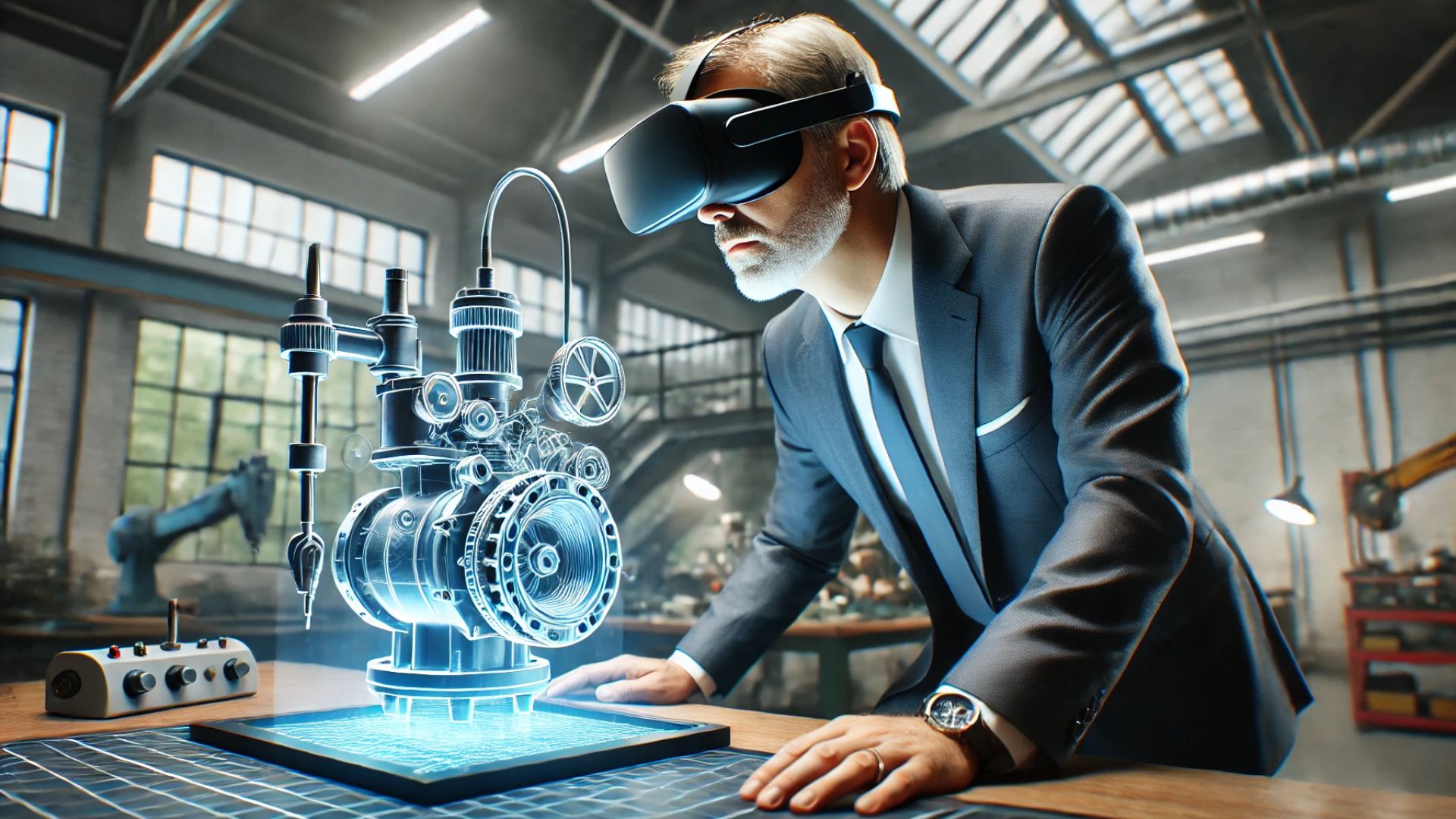
Mixed Reality is a catalyst for innovation across multiple industries, offering new ways to solve problems, streamline operations, and create value. In healthcare, MR is being used for surgical training and patient care, allowing medical professionals to practice procedures in a risk-free virtual environment or visualize complex medical data in three dimensions. In manufacturing, MR facilitates design visualization and assembly line optimization, enhancing precision and reducing errors.
Education is another sector where MR is making significant strides, providing immersive learning experiences that cater to diverse learning styles and improve knowledge retention. From virtual laboratories and historical reenactments to interactive language learning, MR enriches the educational landscape by making learning more engaging and effective. These industry-specific applications highlight MR's versatility and its capacity to drive meaningful advancements in various fields.
Why is Mixed Reality Gaining Traction Now?
Advancements in Technology and Accessibility
The surge in Mixed Reality's popularity is largely fueled by recent advancements in technology that have made MR devices more powerful, affordable, and user-friendly. Improvements in processing power, display quality, and sensor accuracy have enhanced the performance and realism of MR experiences, making them more appealing to a broader audience. Additionally, the reduction in costs associated with MR hardware has made it more accessible to consumers and businesses alike, accelerating adoption across different sectors.
Furthermore, the development of standardized platforms and ecosystems has streamlined the creation and distribution of MR content, fostering a vibrant ecosystem of applications and experiences. This ecosystem supports developers and creators in building innovative MR solutions, driving continuous growth and improvement in the technology.
Increased Investment and Support from Industry Leaders
Significant investment from technology giants and startups alike has propelled Mixed Reality into the mainstream. Companies like Microsoft, with its HoloLens, and Facebook (now Meta) are heavily investing in MR research and development, driving innovation and expanding the capabilities of MR devices. These investments not only enhance the technology itself but also encourage the development of new applications and use cases, broadening MR's impact and relevance.
Collaborations between hardware manufacturers, software developers, and industry-specific partners have also played a crucial role in advancing MR. These partnerships facilitate the creation of tailored MR solutions that address specific needs and challenges within different sectors, further cementing MR's position as a transformative technology.
Growing Demand for Immersive and Interactive Experiences
In an increasingly digital world, there is a growing demand for more immersive and interactive experiences that offer greater engagement and personalization. Consumers and businesses alike are seeking technologies that can provide deeper interactions and more meaningful connections, moving beyond passive consumption to active participation. Mixed Reality meets this demand by offering experiences that are not only visually captivating but also highly interactive and contextually relevant.
This demand is evident in the rise of virtual events, interactive marketing campaigns, and immersive training programs that leverage MR to create memorable and impactful experiences. As people become more accustomed to digital interactions, the appeal of technologies that can enhance these interactions in more profound and engaging ways continues to grow, driving the adoption of Mixed Reality.
Applications of Mixed Reality
Education and Training
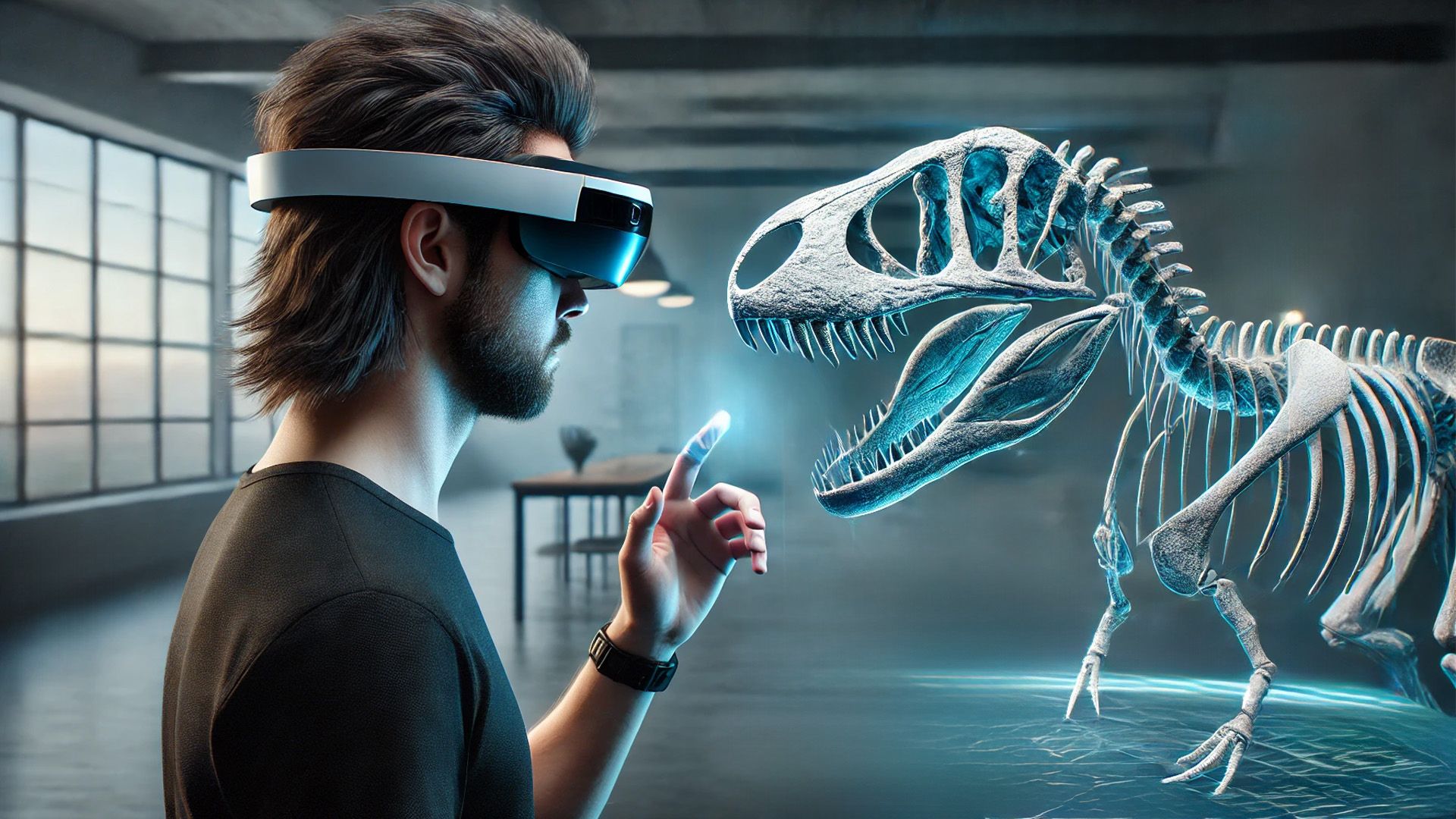
Mixed Reality is revolutionizing education and training by providing immersive and interactive learning environments that enhance comprehension and retention. Educational institutions are leveraging MR to create virtual classrooms where students can explore historical sites, conduct scientific experiments, and engage in collaborative projects without leaving their desks. For example, biology students can dissect virtual organisms, gaining a deeper understanding of anatomy and physiology through hands-on interaction.
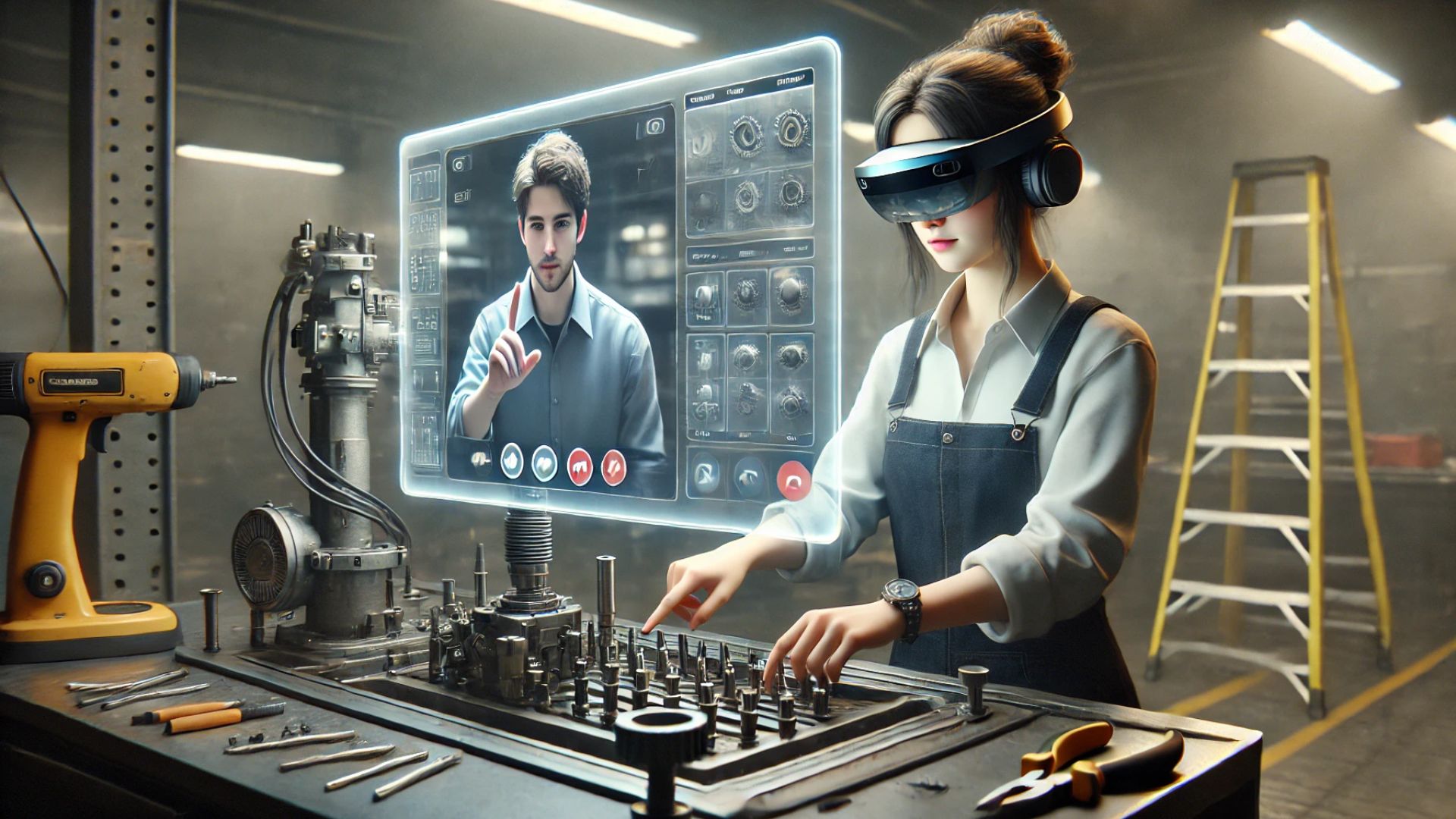
In professional training, MR is being used to simulate real-world scenarios, allowing employees to practice skills and procedures in a safe and controlled environment. Industries such as healthcare, aviation, and manufacturing benefit from MR-based training programs that improve proficiency, reduce errors, and enhance overall performance. These applications demonstrate MR's ability to transform traditional learning and training methods, making them more effective and engaging.
Healthcare and Medicine
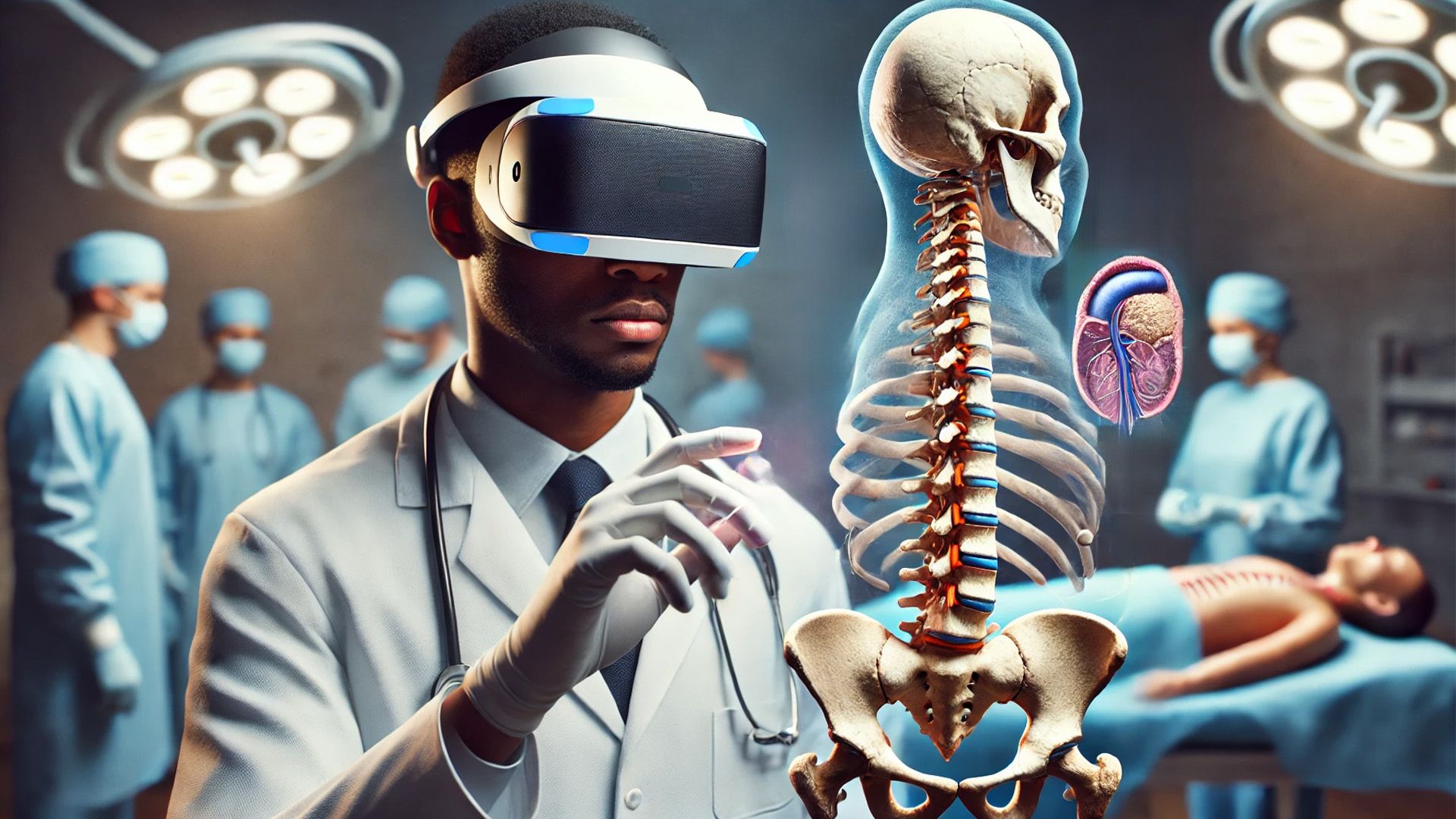
The healthcare sector is harnessing Mixed Reality to improve patient care, medical training, and surgical precision. MR applications enable doctors to visualize patient anatomy in three dimensions, enhancing diagnostic accuracy and treatment planning. Surgeons can use MR headsets to overlay critical information, such as vital signs and imaging data, onto the surgical field, improving precision and reducing the risk of complications.
Additionally, MR is being used for patient education, helping individuals understand complex medical conditions and treatment options through interactive visualizations. Rehabilitation programs also benefit from MR by providing engaging and motivating exercises that aid in physical therapy and recovery. These innovations highlight MR's potential to enhance various aspects of healthcare, leading to better patient outcomes and more efficient medical practices.
Entertainment and Gaming
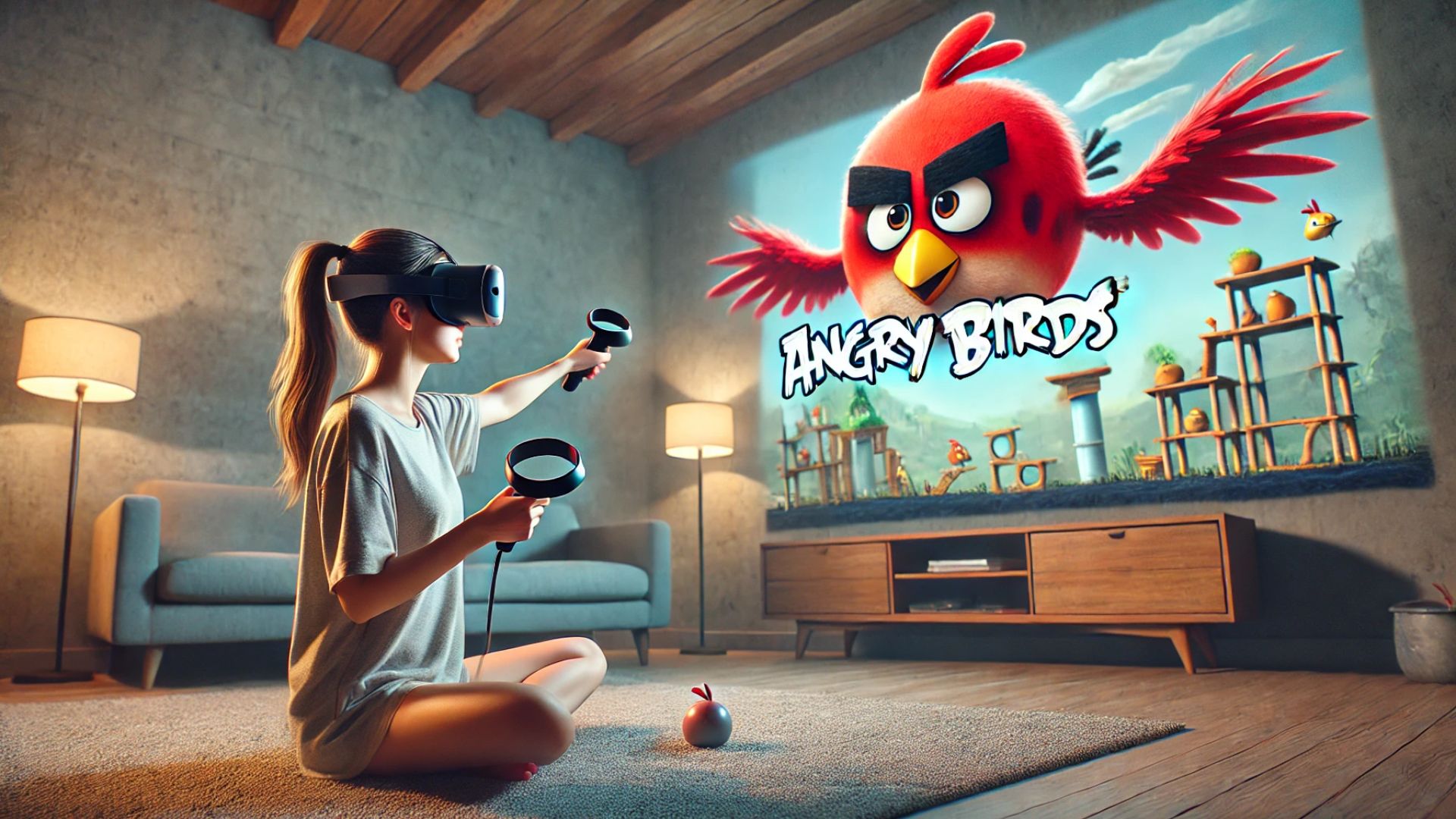
Mixed Reality is reshaping the entertainment and gaming industries by offering more immersive and interactive experiences that blur the lines between the digital and physical worlds. MR games allow players to interact with virtual characters and objects within their real environment, creating a more engaging and realistic gaming experience. Imagine playing a treasure hunt game where virtual clues and rewards appear scattered around your living room, blending seamlessly with your physical surroundings.
In the broader entertainment landscape, MR is being used to create interactive storytelling experiences, virtual concerts, and immersive theme park attractions. These applications provide audiences with new ways to engage with content, fostering deeper emotional connections and enhancing overall enjoyment. The versatility and creativity enabled by MR make it a powerful tool for transforming how we experience entertainment and leisure activities.
Business and Collaboration
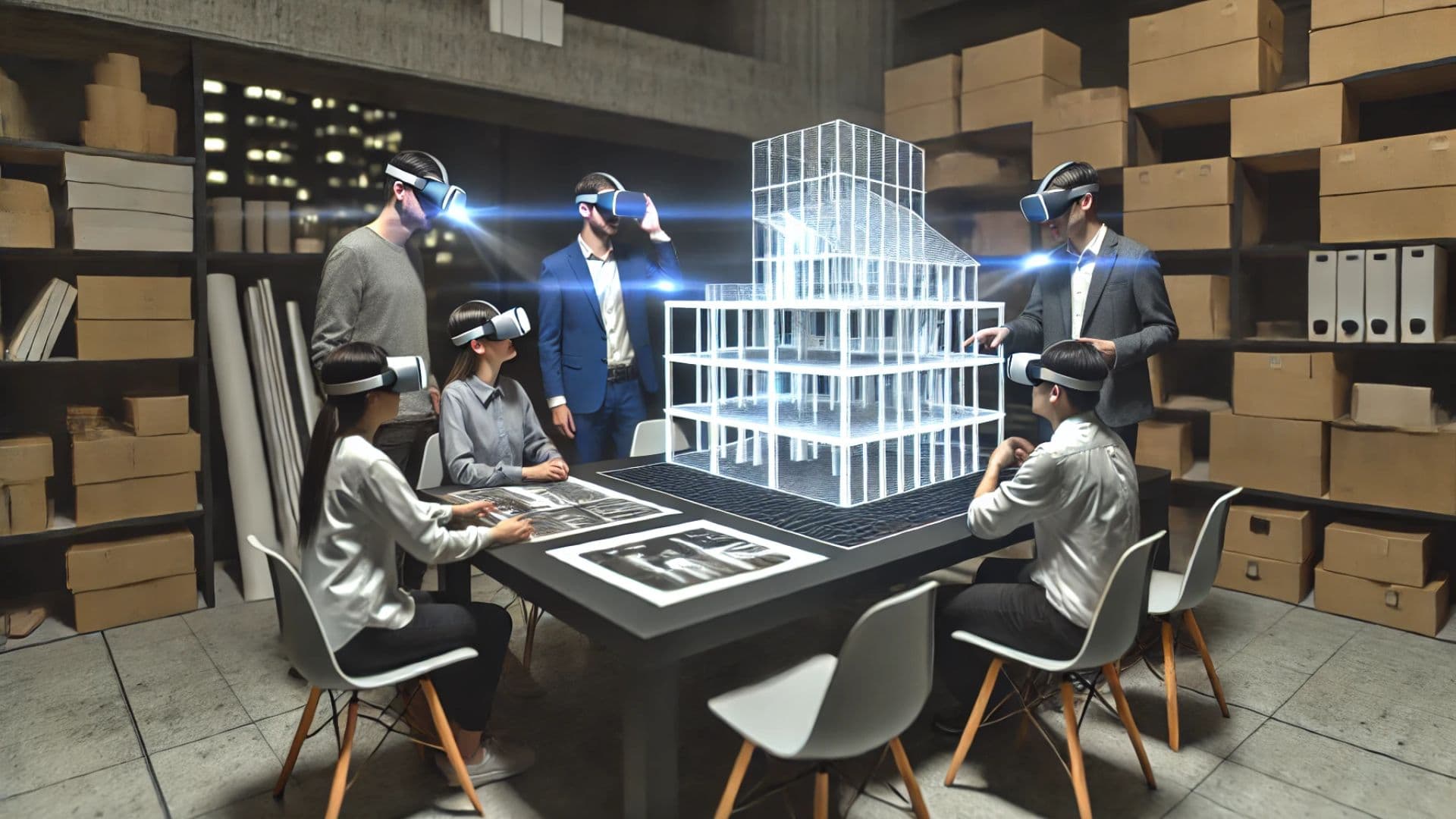
Mixed Reality is enhancing business operations and collaboration by providing virtual environments where teams can interact, collaborate, and innovate more effectively. Virtual meetings and conferences become more interactive and engaging, allowing participants to share ideas and collaborate on projects in a shared virtual space. MR tools enable the visualization of complex data and designs, facilitating better decision-making and problem-solving.
Additionally, MR is being used for product design and development, allowing businesses to prototype and test products in a virtual environment before committing to physical production. This approach reduces costs, accelerates development timelines, and improves product quality by enabling iterative testing and refinement. These business applications demonstrate MR's potential to streamline operations, enhance collaboration, and drive innovation across various industries.
The Rising Traction of Mixed Reality
Market Growth and Projections
The Mixed Reality market is experiencing significant growth, driven by increasing adoption across multiple sectors and continuous technological advancements. Market analysts project that MR will continue to expand at a robust pace, with revenues expected to reach billions of dollars in the coming years. This growth is fueled by the expanding use cases of MR, from enterprise solutions and healthcare applications to consumer entertainment and education.
The rising investment in MR technology by both established companies and startups further accelerates market growth, fostering innovation and the development of new applications and devices. As MR becomes more integrated into everyday life and business operations, its influence and market presence are set to expand, solidifying its role as a key player in the future of immersive technologies.
Consumer Adoption and Accessibility
Mixed Reality is becoming more accessible to consumers as MR devices become more affordable and user
-friendly. The introduction of standalone MR headsets that do not require powerful PCs or external sensors has significantly lowered the barrier to entry, making MR experiences more convenient and widely available. Devices like the Microsoft HoloLens 2 and the Magic Leap One have demonstrated the potential of MR in consumer applications, from gaming and entertainment to home design and personal productivity.
Moreover, the increasing availability of MR content and applications across various platforms enhances the appeal and utility of MR devices. As more consumers experience the benefits of MR firsthand, adoption rates are expected to rise, driving further demand and innovation in the market. This trend towards greater accessibility and consumer-friendly MR solutions underscores the technology's growing relevance and widespread appeal.
Innovations and Emerging Trends
Continuous innovations in MR technology are driving its rapid evolution and expanding its capabilities. Emerging trends such as:
These innovations are pushing the boundaries of what MR can achieve, opening up new possibilities and applications that further drive its adoption and integration into various aspects of life and work.
Why Mixed Reality Matters Now
Bridging the Gap Between Physical and Digital Worlds
In today's increasingly digital society, the ability to seamlessly blend physical and virtual experiences is more important than ever. Mixed Reality offers a solution to the fragmentation between these two realms, providing a unified platform where physical objects and digital content coexist and interact in real-time. This integration enhances user experiences by making digital interactions more natural, intuitive, and contextually relevant.
For example, in retail, MR allows customers to visualize how a piece of furniture would look in their home before making a purchase, bridging the gap between online shopping and in-store experiences. In education, MR facilitates interactive and immersive learning environments that connect theoretical knowledge with practical application, making learning more engaging and effective. By bridging the physical and digital worlds, MR enhances the way we interact with technology, making it more integrated and indispensable in our daily lives.
Addressing Modern Challenges and Opportunities
Mixed Reality addresses several modern challenges by providing innovative solutions that enhance efficiency, collaboration, and accessibility. In the workplace, MR enables remote teams to collaborate in shared virtual spaces, improving communication and reducing the need for physical travel. This not only enhances productivity but also supports sustainable business practices by minimizing carbon footprints associated with commuting and business travel.
In healthcare, MR offers advanced tools for diagnosis, treatment planning, and patient care, improving outcomes and operational efficiencies. The ability to visualize complex medical data and perform virtual surgeries enhances the precision and effectiveness of medical procedures, leading to better patient outcomes and reduced risks.
Furthermore, MR creates new opportunities for creativity and innovation by enabling creators and developers to build and explore virtual environments in ways that were previously unimaginable. This fosters a culture of innovation, driving advancements across various fields and industries. By addressing contemporary challenges and unlocking new opportunities, Mixed Reality is poised to play a pivotal role in shaping the future of technology and society.
Frequently Asked Questions
What is Mixed Reality?
Mixed Reality (MR) is a hybrid technology that blends the physical and digital worlds, allowing users to interact with both simultaneously. It integrates real-world elements with virtual objects, creating a cohesive and interactive experience that transcends the capabilities of Virtual Reality (VR) and Augmented Reality (AR).
How does Mixed Reality differ from Virtual Reality and Augmented Reality?
While Virtual Reality (VR) immerses users entirely in a digital environment and Augmented Reality (AR) overlays digital information onto the physical world, Mixed Reality (MR) combines both by allowing virtual objects to interact with the real environment in real-time. This creates a more seamless and interactive experience that bridges the gap between the physical and digital realms.
Why is Mixed Reality gaining popularity now?
Mixed Reality is gaining popularity due to advancements in technology that have made MR devices more powerful, affordable, and user-friendly. Increased investment from industry leaders, the development of standardized platforms, and growing demand for immersive and interactive experiences are also driving the current surge in MR adoption.
What are some practical applications of Mixed Reality?
Mixed Reality has diverse applications across various sectors, including education and training, healthcare and medicine, entertainment and gaming, and business and collaboration. It enhances learning experiences, improves medical procedures, transforms gaming, and streamlines business operations by providing immersive and interactive environments.
What are the future trends in Mixed Reality?
Future trends in Mixed Reality include the integration of Artificial Intelligence (AI) for more intelligent interactions, advancements in haptic feedback for tactile experiences, cloud-based MR solutions for scalable applications, and efforts towards interoperability and open standards to create a unified MR ecosystem. These trends are set to further enhance MR's capabilities and expand its applications.
Author: Gerald Ferreira
Pioneering the future of immersive experiences in South Africa through expert storytelling, virtual reality innovation, and high-end 360° production.