
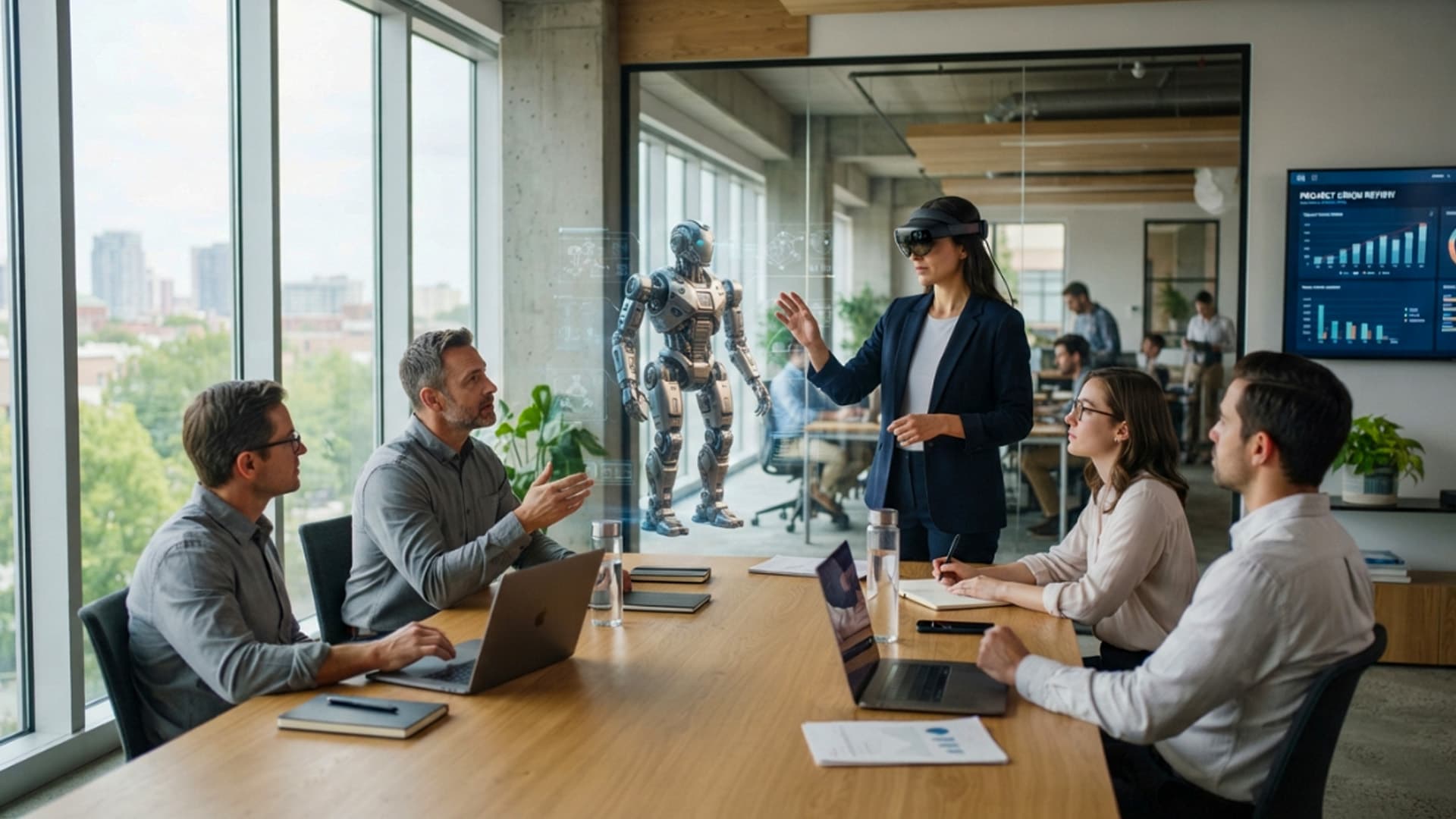
Mixed Reality in 2026: Bringing Digital Work Into Real Spaces
Mixed reality is helping businesses bring 3D content, guidance and collaboration into real environments, making training, product demonstrations and design decisions easier to understand.
Mixed Reality in 2026: Bringing Digital Work Into Real Spaces
Mixed reality is changing how people interact with digital content. Rather than placing a user entirely inside a virtual environment, mixed reality allows digital objects, information and interfaces to appear within the real space around them. A person can look at a real room while viewing a digital product model at full scale. A technician can see guidance positioned next to equipment. A design team can review a 3D concept together while standing in the actual space where it may be built.
This makes mixed reality useful for situations where context matters. A flat screen can show a product, plan or instruction, but it cannot always show how that information relates to the physical world. Mixed reality helps bridge that gap by placing digital content where people can see, discuss and interact with it naturally.
In 2026, the technology is becoming more focused on practical outcomes. Businesses are looking beyond the novelty of floating interfaces and asking where mixed reality can save time, reduce mistakes, improve understanding or create a stronger customer experience. The strongest projects begin with a real task and use immersive technology only where it adds clear value.
For companies in South Africa, mixed reality can support sectors such as property, retail, automotive, manufacturing, education, tourism and events. It can help teams explain complex ideas, prepare people for practical work and allow customers to explore products in more meaningful ways.
Understanding What Makes Mixed Reality Different
Virtual reality replaces the user’s view with a fully digital environment. Mixed reality keeps the real environment visible while adding digital elements that appear to exist within that space. Depending on the device and application, users may be able to walk around a virtual object, move it, resize it or see information anchored to a real location.
This creates a more natural connection between the digital and physical worlds. Instead of switching attention between a screen and a task, a user can access relevant information while looking at the place, product or object they are working with.
Mixed reality can be experienced through advanced headsets, but some applications can also be delivered through tablets and smartphones. The right format depends on the task. A customer viewing furniture in a room may only need a mobile device. A technician completing a detailed procedure may benefit from hands-free guidance through a headset.
Digital Content With Real-World Context
The key strength of mixed reality is context. A 3D model on a laptop can be useful, but it may be difficult to understand its scale or placement. When that same model is visible inside a real room, people can see how it relates to doors, furniture, equipment and movement through the space.
This can make conversations more productive. Instead of discussing a design in abstract terms, stakeholders can point to what they see, identify issues and compare options together. It can also help reduce misunderstandings before a project reaches a more expensive stage.
For training, context can make instructions easier to follow. A learner can see a digital arrow pointing to the correct component, a step-by-step prompt beside a machine or a visual reminder of a safety check before beginning a task.
A Tool for Tasks, Not Just Demonstrations
Mixed reality is most effective when it supports a specific task. It may help a sales team demonstrate a product that is too large to transport. It may help a property developer show buyers a future space before construction is complete. It may help a maintenance team access guidance while standing in front of equipment.
The technology should not create extra work for the user. If a process becomes slower, more complicated or difficult to maintain, the experience may not be worth using. Good mixed reality design keeps interactions simple and gives people information only when it is useful.
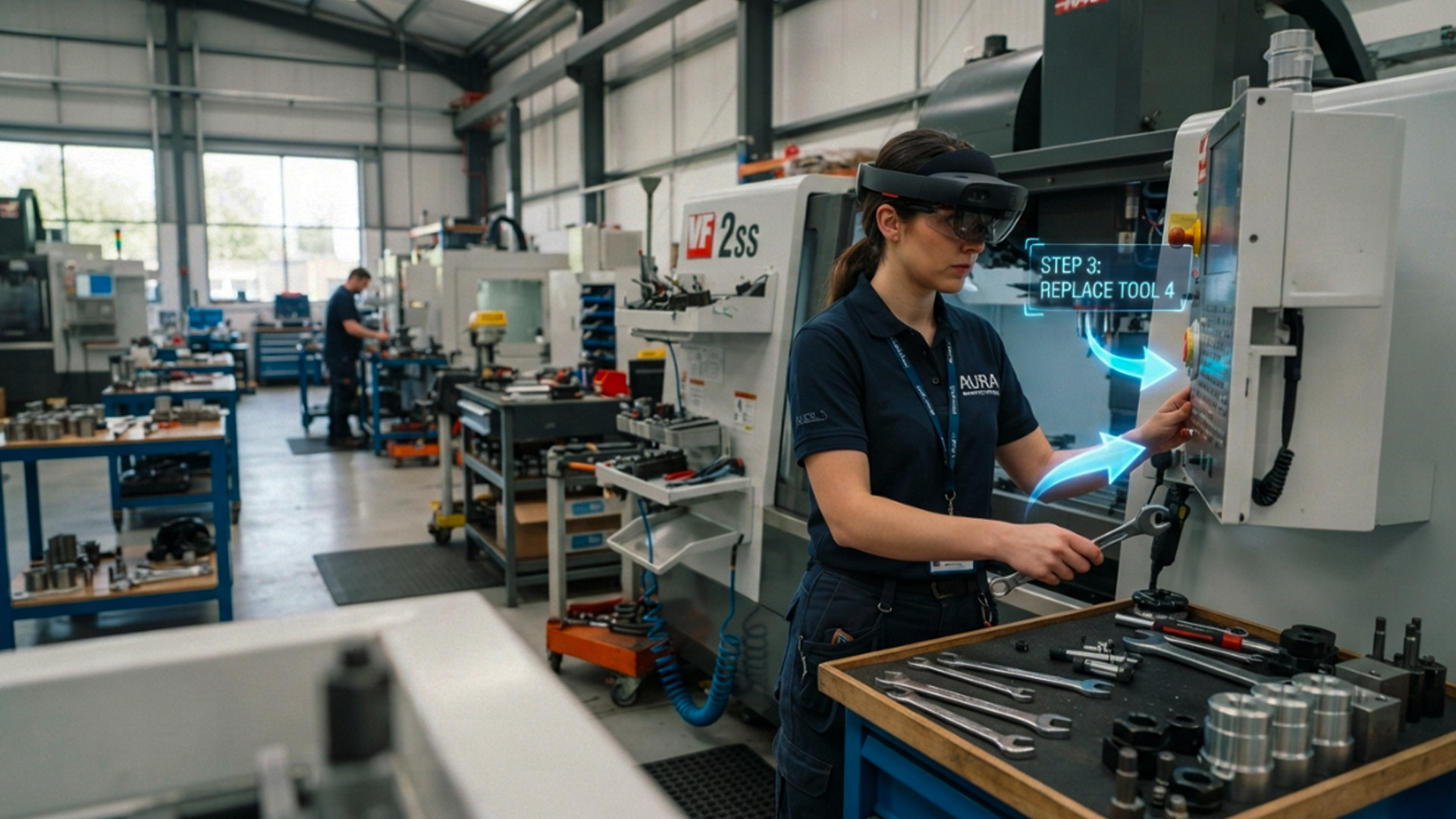
Product Visualisation That Builds Customer Confidence
Customers often need more than product photos before making an important decision. They may want to understand size, placement, features or how an item will work in their own environment. Mixed reality can help by placing a realistic digital product into the customer’s real space.
For furniture, appliances and interior products, this can make it easier to see whether an item fits the room. For automotive businesses, it can allow customers to explore vehicle features, colours and configurations in a showroom. For industrial products, it can show how a large system may fit into a facility without needing to transport a physical unit.
The goal is to reduce uncertainty. When customers can explore a product in context, they can ask better questions and make decisions with more confidence.
Making Large or Complex Products Easier to Explore
Some products are difficult to display because they are too large, too technical or available in many different configurations. A showroom may only have space for one version, while customers need to compare multiple options.
Mixed reality can expand what the showroom can show. A visitor can view a full-scale model, inspect details, change colours or see how optional features affect the product. This does not replace a physical product where one is available, but it can make the sales conversation more useful.
A strong visualisation experience needs accurate models and realistic scale. If a digital object is poorly placed or does not look believable in the space, it can reduce trust. Attention to lighting, dimensions and simple controls is essential.
Retail Experiences That Encourage Discovery
Retail mixed reality can also create a more engaging way to discover products. A customer may point a device at a display and see additional information, a 3D demonstration or a digital version of an item that is not currently in stock.
This can work especially well when the content answers a practical question. A customer may want to see how a product is assembled, how it fits into a room or what options are available. The experience should support the purchase journey rather than distract from it.
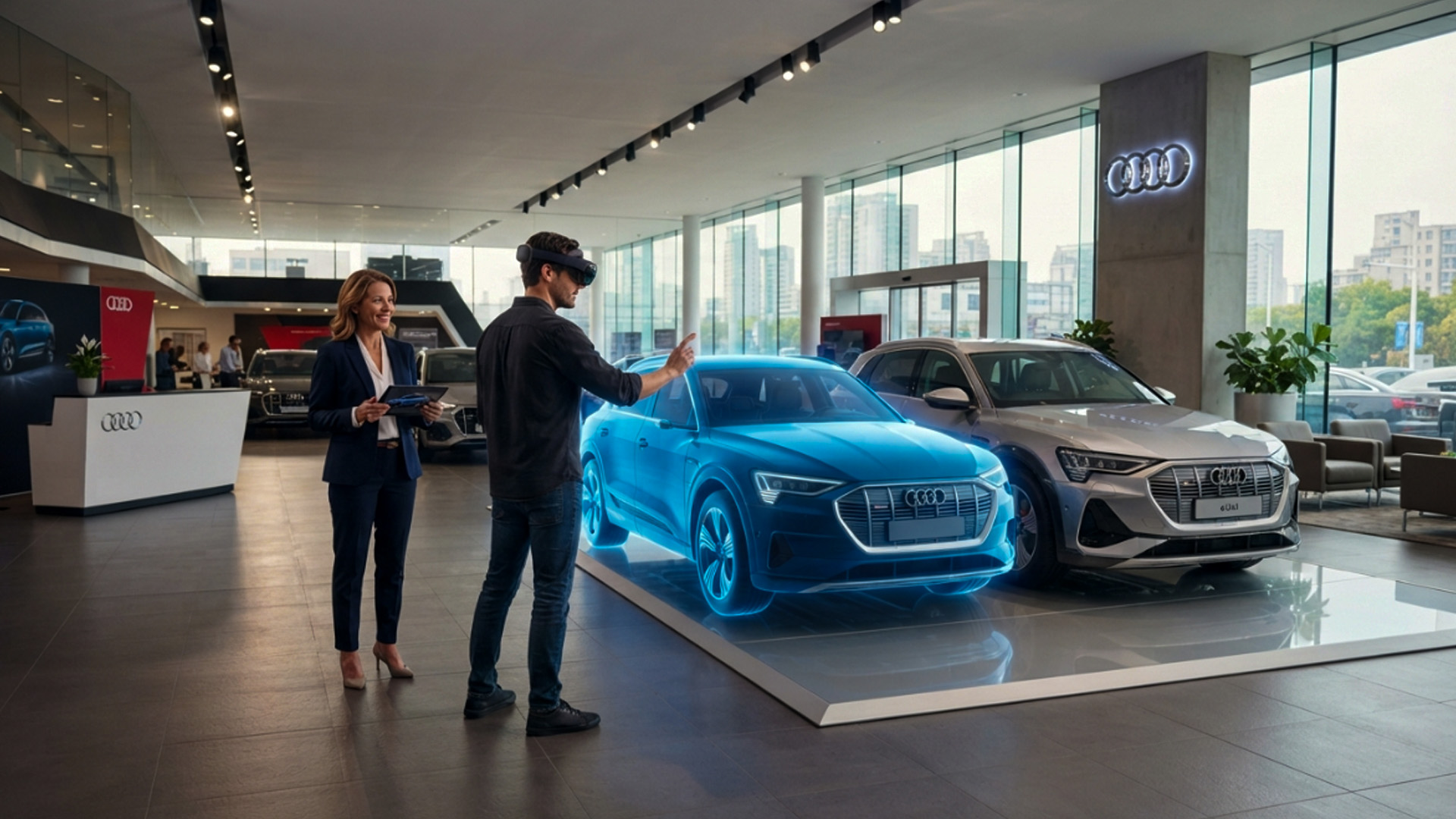
Mixed Reality for Training and Workplace Support
Training is one of the most practical uses of mixed reality because people often learn best when they can connect instruction to a real task. Manuals and videos are valuable, but they require learners to translate information from a screen into the environment in front of them.
Mixed reality can place guidance closer to the task. A worker can see which component to inspect, what step should happen next or where a safety risk may be located. This can help new employees build familiarity and give experienced staff quick access to useful reference material.
It should always support established training and safety processes. Mixed reality is not a replacement for qualified supervision, practical assessment or formal procedures. It can make learning more consistent and help people practise with clearer guidance.
Hands-Free Guidance at the Point of Work
In a workshop, warehouse or technical environment, workers may need both hands available. A headset can provide visual guidance without requiring them to hold a tablet or refer repeatedly to a printed manual.
For example, a maintenance process can be broken into clear stages. The system can show the next component, display a checklist and remind the user of required checks. If the task is complex, it can also provide short visual explanations that help the worker understand why a step matters.
The information must remain clear and limited. Too many alerts or floating labels can make a task harder rather than easier. The design should focus on the decisions the worker needs to make at that moment.
Safer Practice Before Real-World Work
Mixed reality can help learners become familiar with environments before they begin practical work. A student can identify tools, understand safe zones and follow a guided procedure while still being able to see the real training space around them.
This can be useful in technical education, healthcare, manufacturing and construction. It allows learners to repeat a process, ask questions and build confidence before they are assessed in a live environment.
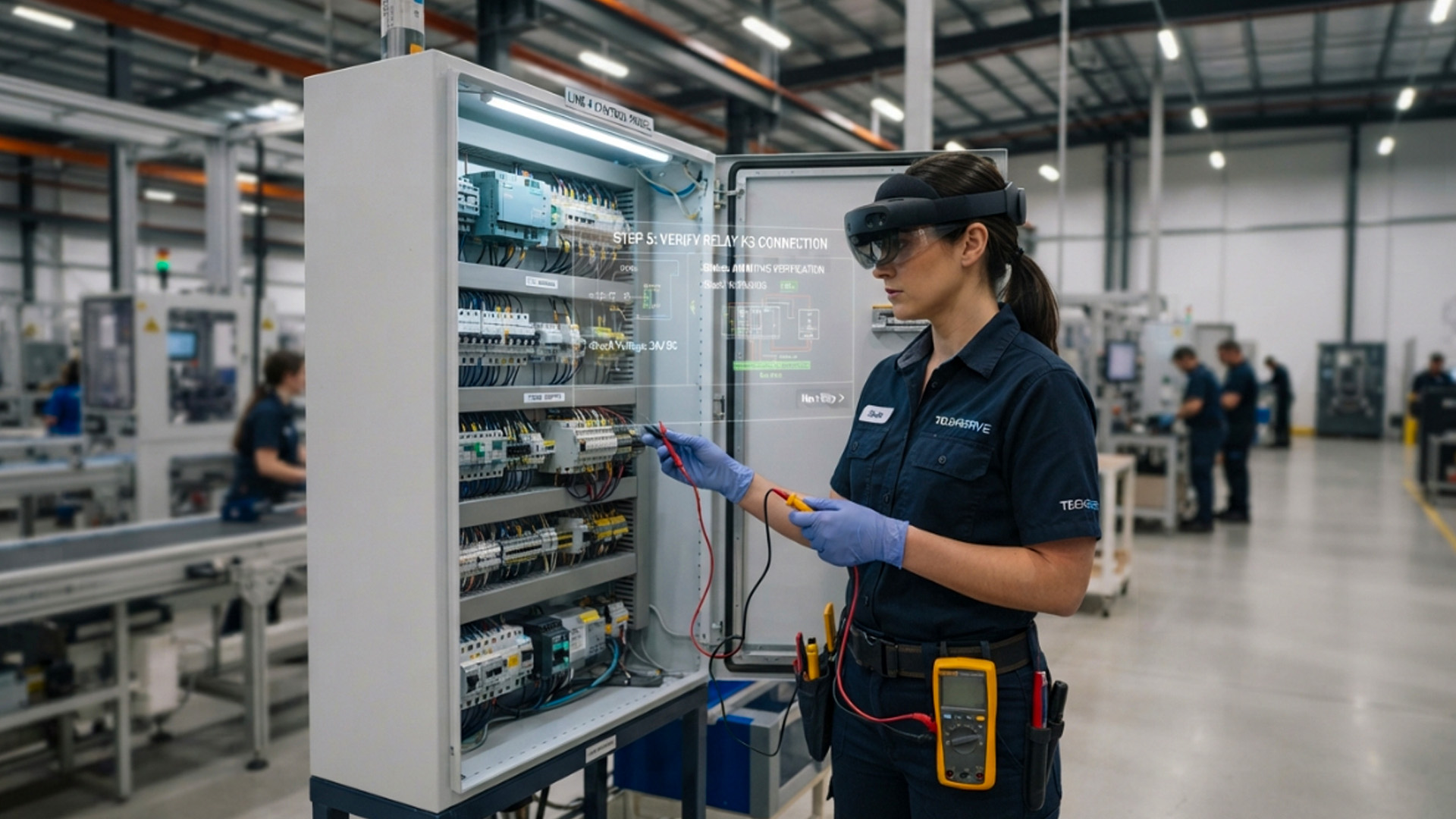
Better Collaboration for Design and Property Projects
Design decisions are often made from drawings, renders and digital models. These tools are important, but they can make it difficult for people without technical experience to understand how a proposal will feel in real life.
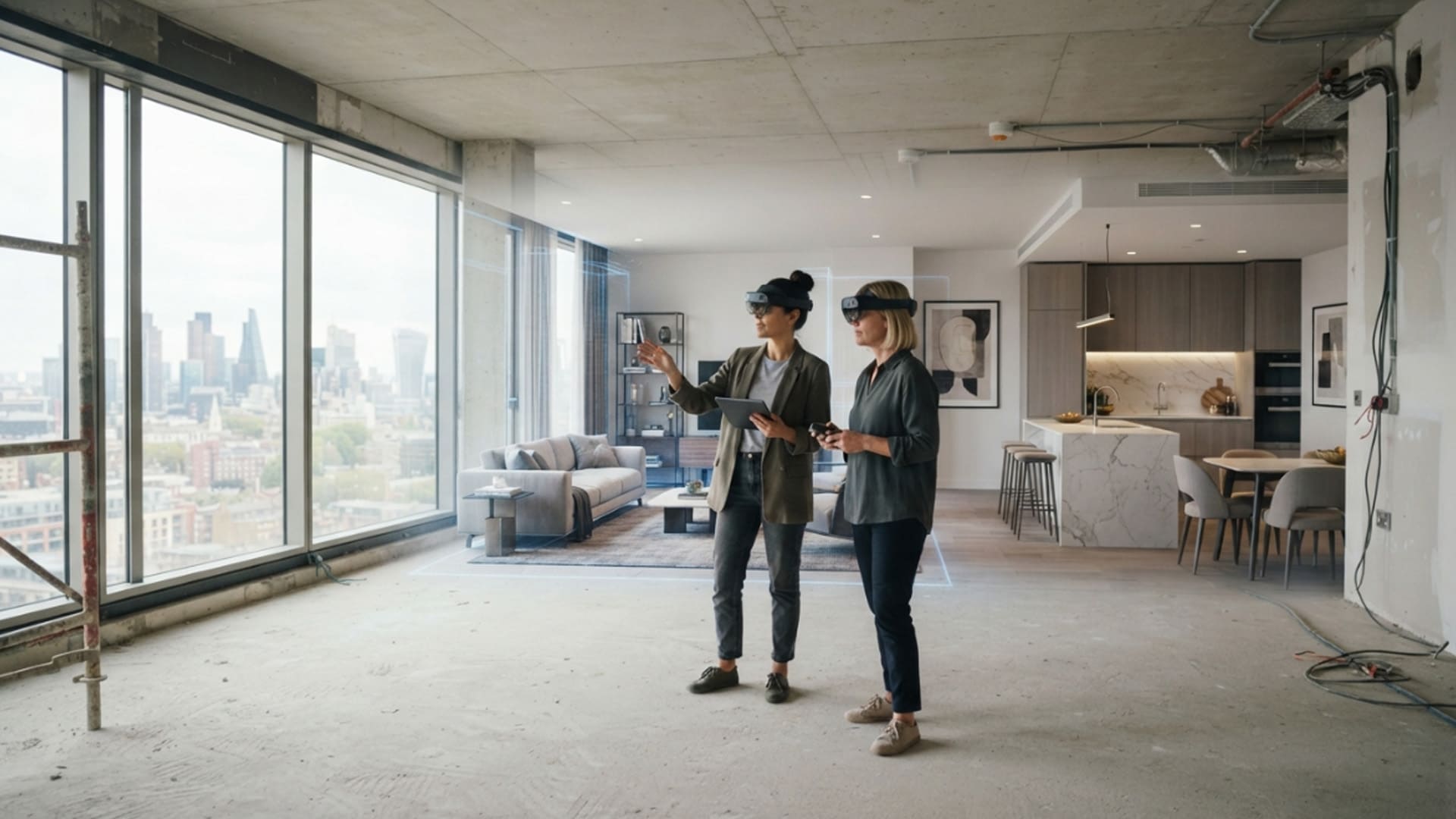
Mixed reality gives project teams another way to review ideas. An architect, client and contractor can stand in a real space and view a digital model together. They can discuss height, placement, layout and movement through the area while seeing the proposal in context.
This can make feedback more specific. Instead of saying that a room feels too small or an object appears out of place, stakeholders can identify the exact issue while looking at it together.
Reviewing Spaces Before Construction Is Complete
Property developers can use mixed reality to help buyers understand future homes, offices or retail spaces. A person can stand in an unfinished unit and see how a completed kitchen, living area or office layout may look.
This can be particularly useful for off-plan sales, where buyers need to make decisions before they can visit the finished property. It can also help design teams compare options before committing to costly changes.
The experience should remain realistic. Accurate dimensions, suitable materials and a clear explanation of what is final versus illustrative are important for maintaining trust.
Shared Decisions With Less Guesswork
When several people need to approve a design, mixed reality can create a shared reference point. Everyone can look at the same digital object in the same location and discuss it using the real space as a guide.
This can help reduce some of the back-and-forth that happens when people interpret drawings differently. It can also make meetings more productive by turning broad opinions into practical feedback about scale, placement and function.
Planning a Mixed Reality Project That Delivers Value
A mixed reality project should start with a practical problem. The first question is not which headset to buy, but what needs to improve. A business may need customers to understand a product more easily, workers to complete a task with fewer errors or project teams to review designs with more confidence.
Once the goal is clear, the organisation can choose the right type of experience. Some projects may need a simple mobile application. Others may require headset-based interaction, accurate spatial mapping or integration with existing product and training systems.
Starting small is often the best approach. A focused pilot can test whether users understand the experience, whether the content is accurate and whether it improves the intended outcome.
Content Accuracy Is Essential
Mixed reality content needs to be reliable. A product model should use correct dimensions. A training guide should follow approved procedures. A property visualisation should clearly distinguish between confirmed details and design concepts.
Inaccurate content can create more problems than it solves. Teams need a process for reviewing, updating and approving information before it is used in front of customers or employees.
Comfort, Privacy and Accessibility
Not every user will want to wear a headset, and not every task needs one. Organisations should offer alternatives, such as a tablet-based version, a standard screen display or staff-led demonstration. The key information should remain available even when someone cannot use the immersive format.
Privacy also matters. Mixed reality systems may use cameras and sensors to understand the user’s environment. Businesses should be clear about what data is collected, why it is needed and how it will be protected.
Mixed reality is becoming more valuable because it gives digital information a place in the real world. When designed around a clear task, it can help customers understand products, help teams work with more confidence and help organisations make complex ideas easier to see.
Author: Elisha Roodt
Pioneering the future of immersive experiences in South Africa through expert storytelling, virtual reality innovation, and high-end 360° production.